



























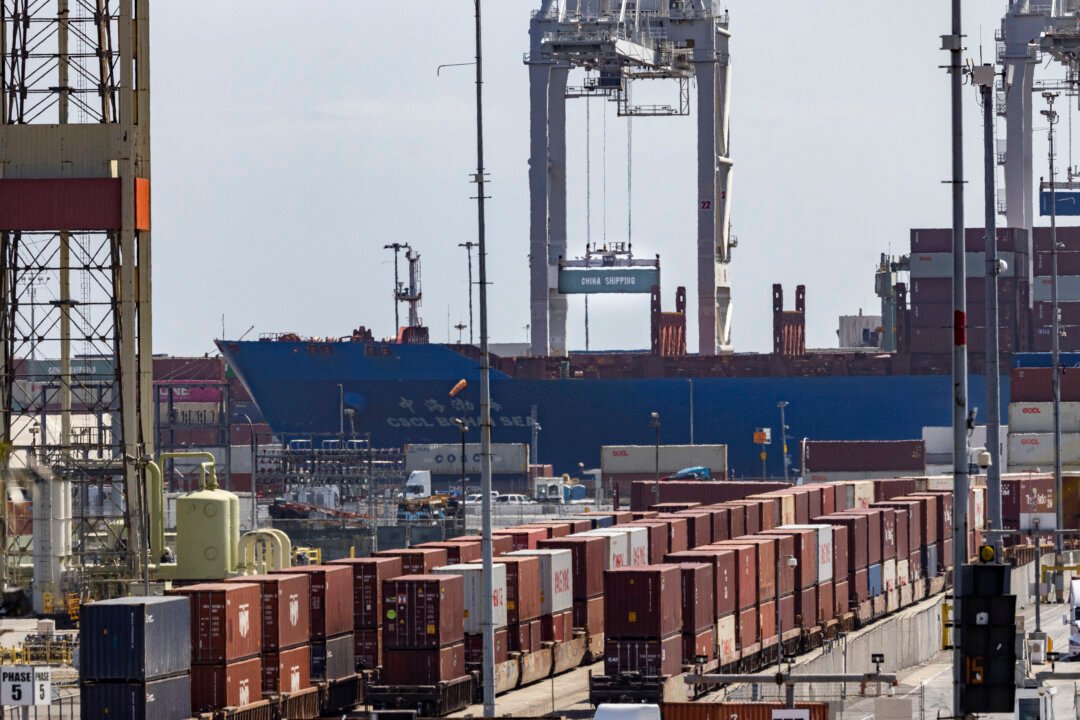
American businesses and consumers caught a break from escalating trade costs in September, as import and export prices held steady amid a complex mix of economic factors, according to fresh data from the Bureau of Labor Statistics released Tuesday.

The latest trade price report reveals that import costs remained unchanged for the month, marking a notable pause in the price pressures that have been weighing on the U.S. economy. This stability came after a modest 0.1 percent increase in August, which has since been revised downward by government statisticians.
The September figures reflect a delicate balancing act in global trade dynamics, with rising costs for non-fuel imported goods being offset by declining fuel prices. This trend suggests that while certain categories of foreign products became more expensive for American importers, lower energy costs helped keep overall import price inflation in check.
Nonfuel Imports Drive Price Variations
The most significant movement in September’s trade data centered on nonfuel imported goods from major U.S. trading partners, which experienced notable price increases. These products, ranging from manufactured goods to agricultural commodities, saw costs jump as supply chain pressures and currency fluctuations continued to impact international commerce.
The unchanged overall import price index demonstrates how energy market dynamics are playing a crucial role in moderating trade-related inflation. As fuel prices declined during the month, they provided a counterweight to the upward pressure from other imported goods categories.
Implications for Economic Policy
The September trade price stability comes at a critical time for U.S. economic policymakers, who have been closely monitoring inflation indicators across various sectors. Import prices serve as an important gauge of external price pressures that can influence domestic inflation rates and consumer purchasing power.
For American businesses that rely heavily on imported materials and components, the unchanged pricing environment in September offered temporary relief from the cost increases that have challenged profit margins throughout much of 2024.
Looking Ahead
While September’s flat import and export prices provided a momentary pause in trade cost pressures, economists continue to watch for signs of how global economic conditions, currency movements, and geopolitical factors might influence future trade pricing trends.
The Bureau of Labor Statistics’ trade price data serves as a key indicator for understanding how international commerce affects the American economy, providing insights that help shape both business decisions and monetary policy considerations.