


























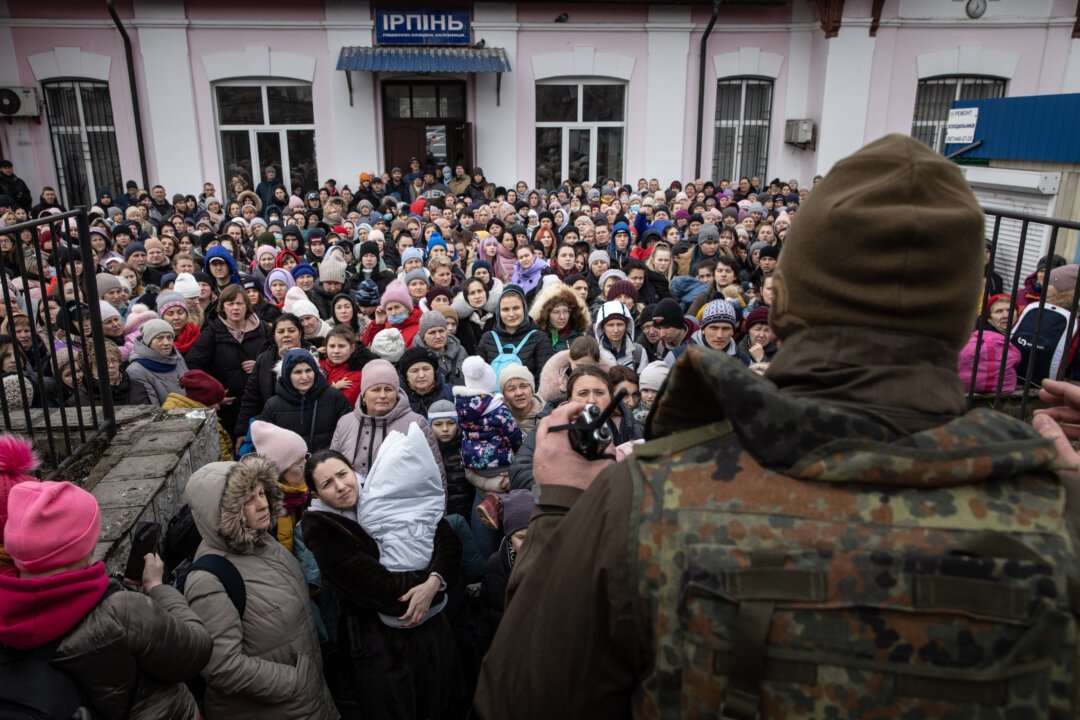
In a powerful display of international solidarity, the United States joined forces with 90 other nations at the United Nations on December 3 to demand the immediate return of Ukrainian children allegedly forcibly transferred or deported by Russia since the war began. The resolution represents one of the most significant diplomatic efforts to address what many consider among the most heart-wrenching aspects of the ongoing conflict.

The U.N. General Assembly adopted the resolution with overwhelming support, calling on Moscow to “ensure the immediate, safe and unconditional return of all Ukrainian children who have been forcibly transferred or deported” while demanding an end to these alleged practices. The timing of this diplomatic maneuver carries particular weight, coming just one day after high-level diplomatic contacts between American and Russian officials.
The resolution’s passage coincided with significant behind-the-scenes diplomatic activity, as U.S. President Donald Trump’s special envoy Steve Witkoff and son-in-law Jared Kushner held talks with Russian President Vladimir Putin at the Kremlin. These discussions, focused on finding pathways to end the devastating conflict in Ukraine, underscore the complex diplomatic landscape surrounding efforts to resolve the war.
The issue of Ukrainian children has emerged as a critical sticking point in any potential peace negotiations. Ukraine’s ambassador to the United States has made the stakes crystal clear, stating that the children must be returned or Kyiv will not agree to a peace deal with Moscow. This hardline position demonstrates how deeply the alleged deportations have impacted Ukrainian society and political decision-making.
The diplomatic push comes as international observers continue to document the human cost of the conflict, particularly on Ukraine’s most vulnerable populations. The forced separation of children from their families and communities represents what many international legal experts consider a violation of international humanitarian law and potentially constitutes war crimes.
The overwhelming support for the U.N. resolution sends a clear message to Moscow that the international community will not ignore alleged violations against civilian populations, especially children. With 91 countries backing the measure, it represents one of the broadest coalitions formed around a specific aspect of the Ukraine conflict since the war began.
As diplomatic efforts continue on multiple fronts, the fate of these children remains intertwined with broader peace negotiations. The Ukrainian government’s unwavering stance on their return highlights how humanitarian concerns have become inseparable from any political resolution to the conflict, potentially complicating future peace talks while underscoring the moral imperatives at stake in this ongoing war.