











The United States has imposed visa restrictions on a senior Haitian government official accused of providing support to violent gangs terrorizing the Caribbean nation, the State Department announced Sunday.

The punitive measure, enacted under federal legislation that prohibits entry to individuals whose activities could severely damage U.S. foreign policy interests, represents Washington’s latest effort to pressure Haitian authorities to crack down on criminal organizations wreaking havoc across the country.
The targeted official stands accused of not only assisting gang operations but also actively undermining the Haitian government’s attempts to combat what the United States has officially classified as terrorist organizations. While the State Department has not publicly identified the individual, the action signals growing American frustration with elements within Haiti’s government who may be enabling the crisis.
This diplomatic response comes as Haiti continues its descent into chaos, with United Nations assessments revealing that criminal gangs now control vast swaths of Port-au-Prince, the nation’s capital. The security breakdown has reached catastrophic proportions, forcing more than 1.4 million Haitians from their homes in what has become one of the Western Hemisphere’s most severe humanitarian crises.
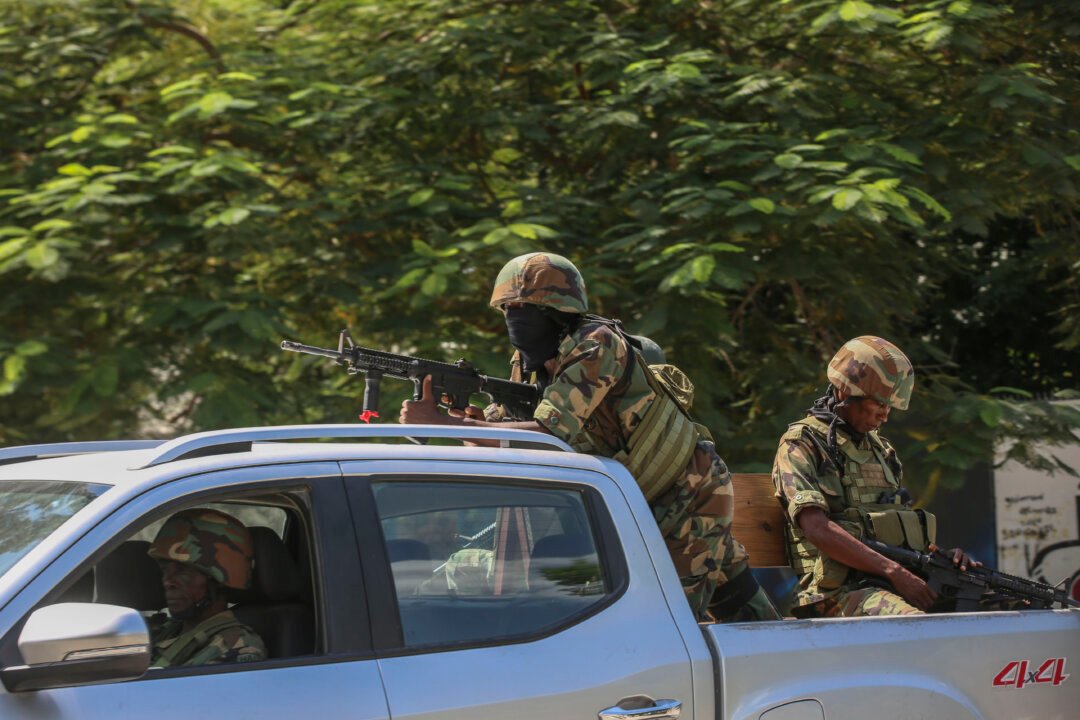
The violence plaguing Haiti has transformed daily life in Port-au-Prince into a constant struggle for survival. Armed patrols navigate streets where gunfire echoes regularly, while civilians attempt to navigate a landscape dominated by competing criminal factions. The gangs have expanded their territorial control through intimidation, extortion, and brutal violence, effectively creating a parallel power structure that challenges the legitimacy of Haiti’s official government.
The visa restrictions represent part of a broader U.S. strategy to isolate individuals who contribute to Haiti’s instability while supporting legitimate efforts to restore order. By targeting government officials suspected of corruption or gang collaboration, Washington aims to strengthen the hand of Haitian leaders genuinely committed to combating criminal organizations.
The humanitarian toll of Haiti’s ongoing crisis continues to mount, with international organizations struggling to provide assistance in an environment where basic security cannot be guaranteed. The displacement of 1.4 million people has created additional strain on a country already grappling with economic collapse and political instability.
This latest action underscores the complex challenges facing international efforts to stabilize Haiti, where the line between official government authority and criminal control has become increasingly blurred. The United States has previously implemented similar visa restrictions and financial sanctions against various Haitian officials and business leaders accused of enabling corruption and violence.
As Haiti’s security situation continues to deteriorate, the international community faces mounting pressure to develop more effective strategies for addressing the root causes of the crisis while protecting vulnerable populations caught in the crossfire of gang warfare and political dysfunction.