



























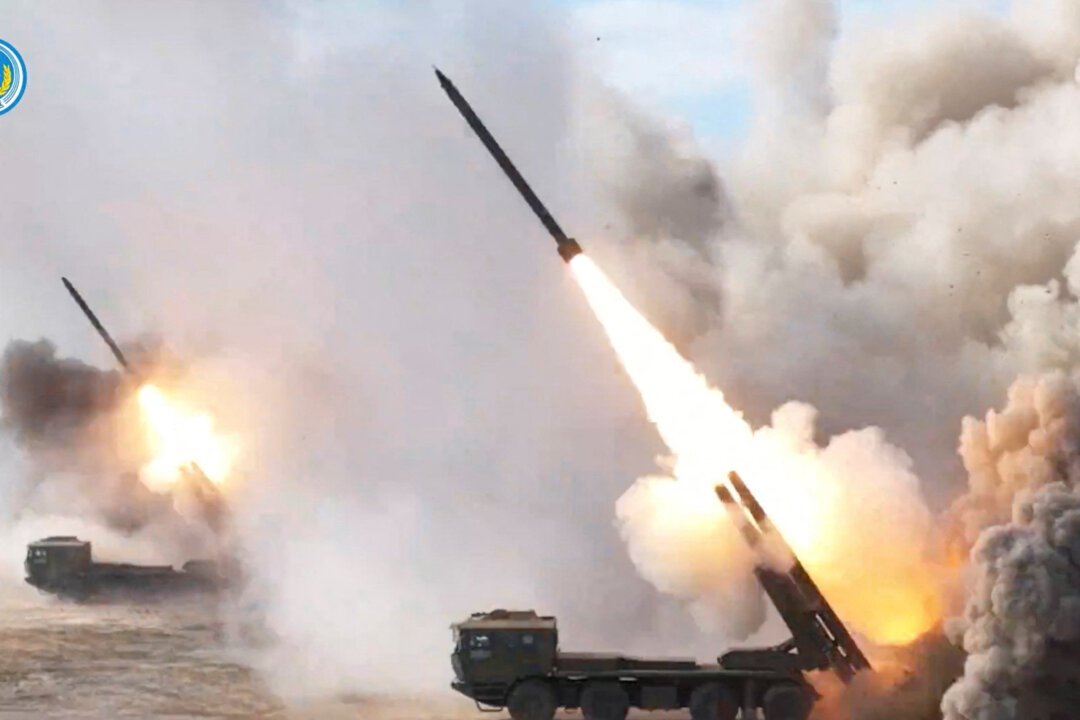
The United States has sharply criticized China’s latest military exercises around Taiwan, calling Beijing’s show of force an “unnecessary” escalation that threatens regional stability in one of the world’s most strategically important waterways.

The diplomatic rebuke came after Chinese forces conducted extensive live-fire drills earlier this week, deploying missiles, warplanes, and naval vessels in waters surrounding the self-governed island. The exercises marked another significant ratcheting up of military pressure in the Taiwan Strait, a critical shipping corridor that handles a substantial portion of global maritime trade.
“China’s military activities and rhetoric toward Taiwan and others in the region increase tensions unnecessarily,” State Department spokesperson Tommy Pigott declared in an official statement issued on January 1st, directly calling on Beijing to cease its military intimidation campaign against Taiwan.
The Chinese military exercises featured long-range artillery strikes targeting waters south of Taiwan, with the People’s Liberation Army’s Eastern Theatre Command releasing video footage of the drills conducted from undisclosed locations. The demonstrations of firepower included coordinated air and naval operations designed to simulate combat scenarios around the island.
These latest military maneuvers represent a continuation of Beijing’s increasingly aggressive posture toward Taiwan, which China claims as its territory despite the island’s democratic government and de facto independence. The escalating tensions have raised alarm bells across the international community, particularly given the Taiwan Strait’s vital role in global commerce and supply chains.
The timing of the exercises and Washington’s swift condemnation underscore the volatile nature of US-China relations, with Taiwan remaining one of the most sensitive flashpoints between the two superpowers. Military analysts view such drills as both practice runs for potential future operations and psychological warfare designed to intimidate Taiwan’s population and government.
The international implications extend far beyond the immediate region, as any disruption to Taiwan Strait shipping lanes could trigger widespread economic consequences across global markets. Major shipping companies and international businesses closely monitor developments in the area, given its strategic importance to international trade routes connecting Asia with markets worldwide.
This latest diplomatic clash comes amid broader patterns of military tension in the region, with China consistently expanding its military capabilities and assertiveness in territorial disputes. The US response reflects Washington’s ongoing commitment to supporting Taiwan while attempting to maintain strategic stability in the Indo-Pacific region.