













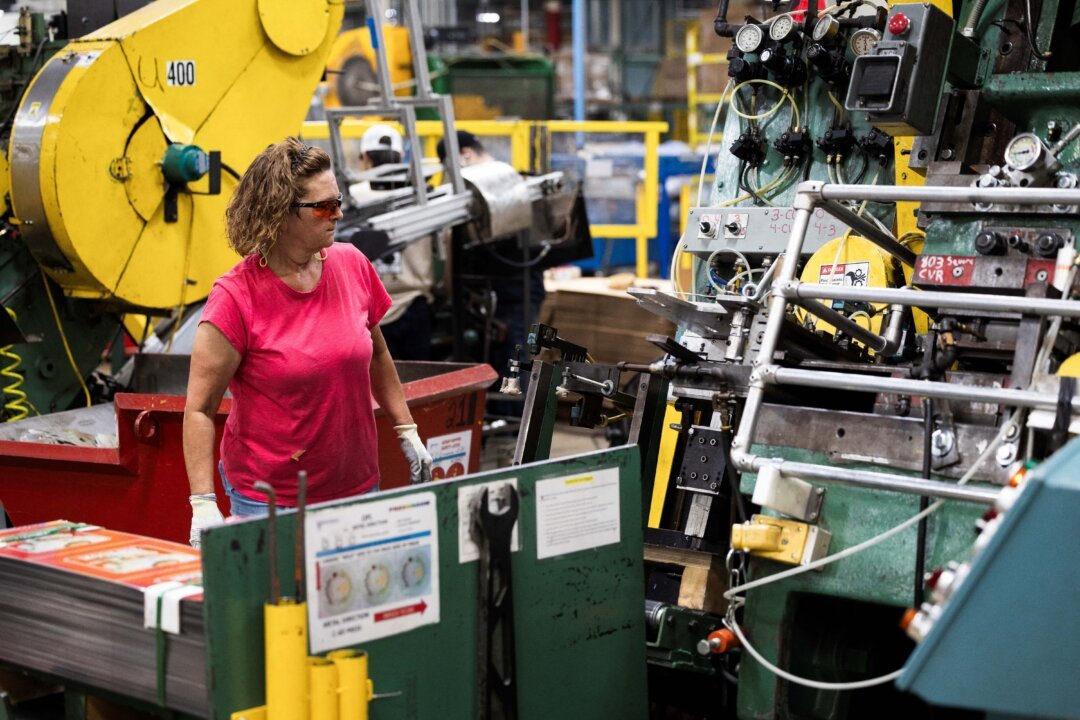
American manufacturing is trapped in an increasingly worrisome tailspin, with factory activity contracting for the ninth straight month as rising costs and weakening demand continue to plague the sector.

The Institute for Supply Management delivered sobering news on December 1st, revealing that its closely-watched manufacturing Purchasing Managers’ Index dropped to 48.2 in November, down from October’s reading of 48.7. Any reading below 50 indicates contraction, highlighting the persistent struggles facing America’s industrial backbone.
The latest data paints a stark picture of an industry under siege, with slowing factory orders and escalating prices creating a perfect storm of challenges for manufacturers across the nation. This extended period of decline represents one of the most sustained contractions in recent memory, raising concerns about the broader health of the U.S. economy.
The pain was widespread across the manufacturing landscape, with eleven of the fifteen tracked industries reporting contractions during November. Leading the decline were the apparel and wood products sectors, both experiencing particularly sharp downturns that reflect broader consumer spending patterns and construction market weakness.
However, the picture wasn’t entirely bleak, as four industries managed to buck the trend and post growth during the month. This mixed performance suggests that while manufacturing faces significant headwinds, some sectors are finding ways to navigate the challenging environment.
The manufacturing sector’s prolonged struggles come at a critical time for the American economy, as industrial production traditionally serves as a key indicator of overall economic health. The persistent weakness raises questions about the sustainability of economic growth and the potential ripple effects across related industries and employment.
Factory owners and managers continue to grapple with a complex web of challenges, including supply chain disruptions, labor shortages, and fluctuating raw material costs. These factors have combined to create an environment where even well-established manufacturers are finding it difficult to maintain steady production levels and profitability.
The November decline extends a troubling pattern that began earlier this year, with each monthly report reinforcing concerns about the sector’s ability to regain momentum. Economists are closely monitoring these trends for signs of when manufacturing might finally turn the corner and begin its recovery.
As the year draws to a close, the manufacturing sector’s performance will likely remain a key focus for policymakers and business leaders alike, particularly as they assess the effectiveness of current economic policies and consider potential interventions to support industrial recovery.