













The United States has announced a significant reduction in tariffs on South Korean automobiles, cutting the rate to 15 percent in a move that sent shares of Korean automakers surging. The decision comes as South Korea formally codified its investment commitments to the United States into law, strengthening economic ties between the two allies.

Commerce Secretary Howard Lutnick unveiled the tariff reduction in a statement posted on social media platform X on December 1, revealing that the new 15 percent rate will be applied retroactively to November 1. The announcement represents a substantial decrease from previous tariff levels and signals a warming in trade relations between Washington and Seoul.
The tariff relief extends beyond automobiles, with Lutnick confirming that the White House will also eliminate import duties on airplane parts. Additionally, the administration plans to “unstack” South Korea’s reciprocal tariff rate, bringing it in line with rates applied to Japan and the European Union—a move that could level the playing field for Korean exporters.
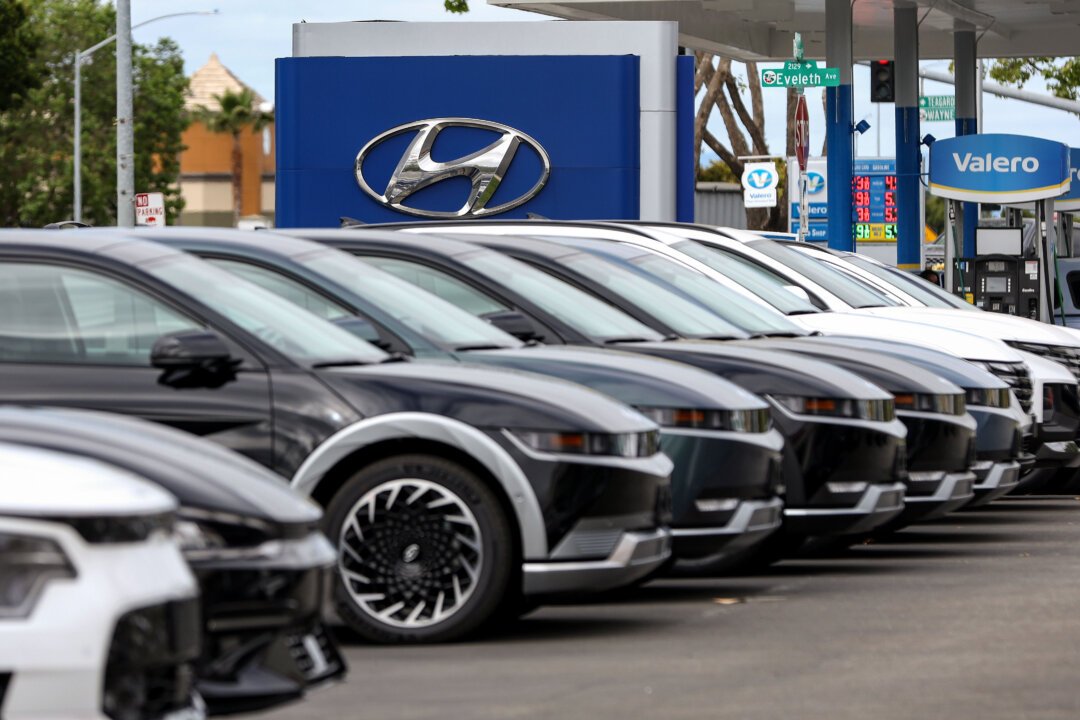
Korean automotive stocks responded positively to the news, with investors viewing the tariff reduction as a boost for major manufacturers like Hyundai and Kia. The companies have been working to expand their presence in the American market while navigating complex trade regulations and increasing competition from domestic and international rivals.
The timing of the announcement is particularly significant, as it follows South Korea’s recent decision to formalize its investment pledges to the United States through legislation. This step demonstrates Seoul’s commitment to deepening economic cooperation and may have influenced Washington’s decision to provide tariff relief.
The move reflects broader shifts in U.S. trade policy toward key allies, particularly as the Biden administration seeks to strengthen partnerships in the Asia-Pacific region. South Korea has emerged as a crucial partner in various sectors, including technology, clean energy, and defense manufacturing.
For American consumers, the tariff reduction could translate to more competitive pricing on Korean vehicles, potentially offering more choices in an automotive market still recovering from supply chain disruptions and inventory shortages that have plagued the industry in recent years.
The announcement comes at a time when the global automotive industry is undergoing rapid transformation, with manufacturers racing to develop electric vehicles and adapt to changing consumer preferences. Korean automakers have been investing heavily in EV technology and U.S. manufacturing facilities, moves that align with American policy priorities around clean energy and domestic production.
Industry analysts suggest that the tariff adjustment could accelerate Korean automotive companies’ expansion plans in the United States, potentially leading to increased investment in American manufacturing facilities and job creation in the automotive sector.