













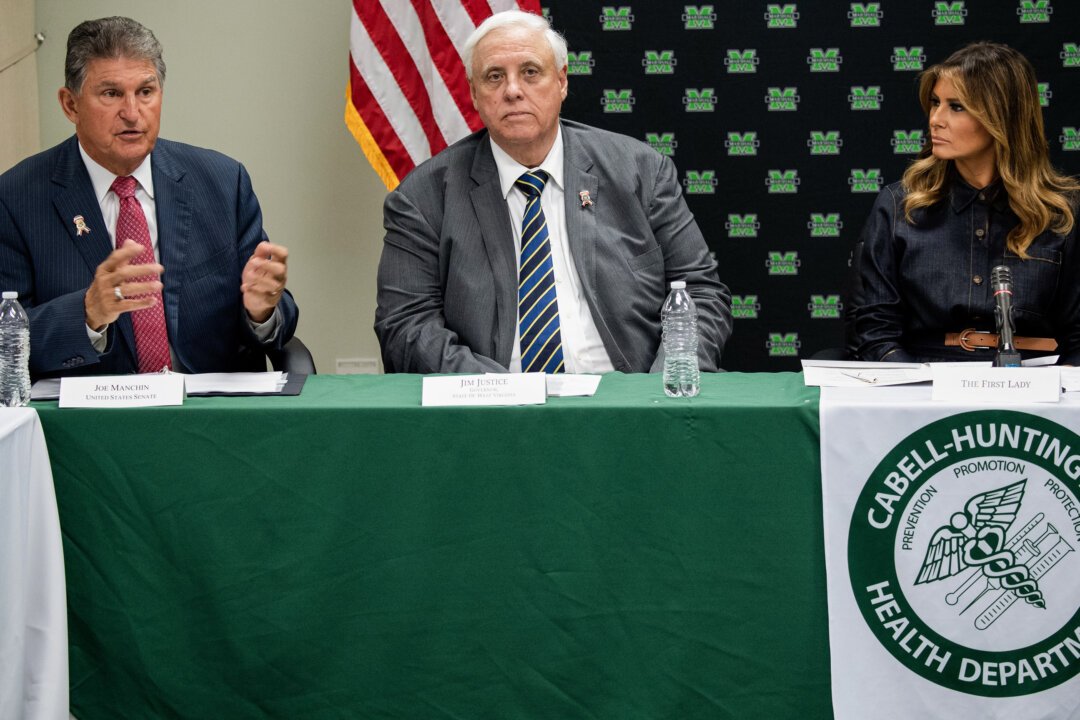
In a swift resolution to mounting federal pressure, West Virginia Senator Jim Justice has agreed to pay $5.1 million to settle a long-standing tax dispute with the Internal Revenue Service, just hours after federal prosecutors launched legal action to recover the funds.

The settlement, announced Monday through a joint motion for consent judgment, resolves allegations that Justice and his wife Cathy failed to pay substantial back taxes, interest, and penalties dating back to the 2009 tax year. The agreement comes as Justice, a wealthy businessman with extensive mining and other business interests, faced intensifying scrutiny over his tax obligations.
Federal prosecutors had filed the lawsuit earlier the same day, seeking to collect the unpaid taxes through court action. However, attorneys representing the Justice family quickly moved to resolve the matter through the negotiated settlement, avoiding what could have been a protracted legal battle.
The case highlights the complex financial affairs of Justice, who has built a substantial business empire spanning coal mining, agriculture, and hospitality sectors throughout West Virginia and beyond. As both a sitting U.S. Senator and successful entrepreneur, Justice’s tax obligations have drawn particular attention from federal authorities.
The 2009 tax year at the center of this dispute predates Justice’s political career, occurring during his time as a private businessman before he served as West Virginia’s governor from 2017 to 2025 and subsequently won election to the U.S. Senate. The substantial sum involved underscores the scale of his business operations during that period.
This settlement represents one of the larger individual tax dispute resolutions involving a sitting member of Congress in recent years. The quick agreement to pay suggests Justice’s legal team sought to minimize publicity and avoid the discovery process that would have accompanied extended litigation.
The timing of the resolution, coming within hours of the federal lawsuit’s filing, indicates both sides had likely been negotiating the settlement terms prior to the court action. Such coordination is common in high-profile tax cases where prosecutors use the threat of public litigation to encourage swift resolution.
Justice’s agreement to pay the full amount demanded by federal prosecutors suggests the evidence supporting the government’s claims was substantial. Tax disputes of this magnitude typically involve complex business structures and accounting practices that can take years to resolve through traditional audit processes.
The settlement closes a chapter in what has been ongoing scrutiny of Justice’s financial affairs throughout his political career. As a prominent Republican senator from a key swing state, Justice’s business dealings have faced regular examination from both political opponents and federal regulators.
With this resolution, Justice avoids the potential complications that extended tax litigation could have posed to his legislative work and political standing. The senator can now focus on his duties in Washington without the distraction of ongoing federal court proceedings over his personal finances.