













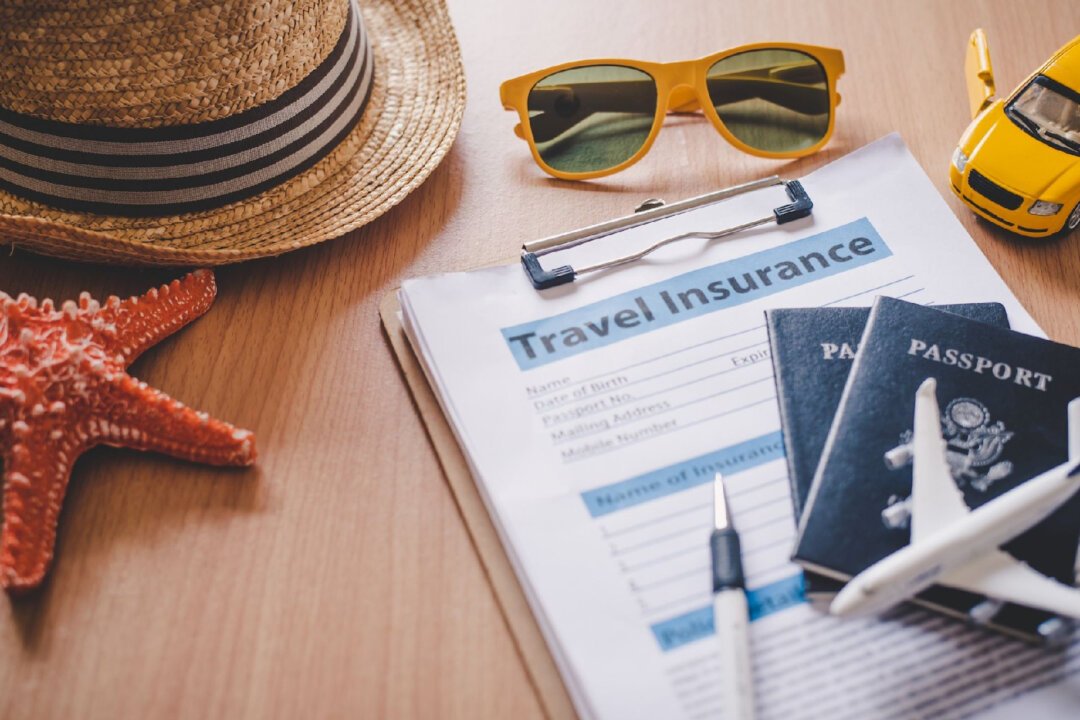
Picture this: You’ve meticulously planned the perfect family getaway to Turks and Caicos for months, coordinating schedules for 10 people to celebrate a milestone birthday. Then, the night before departure, your 11-month-old granddaughter spikes a dangerous 103-degree fever from a sudden virus. The entire trip—along with thousands of dollars—hangs in the balance.

This scenario isn’t hypothetical. It’s exactly what happened to seasoned travel writer Candyce H. Stapen, and it’s just one of several travel disasters that have shaped her perspective on the critical importance of travel insurance.
Stapen’s travel mishaps read like a cautionary tale for even the most experienced globetrotters. Beyond the canceled Caribbean celebration, she’s weathered a forced evacuation from Duck, North Carolina, when Hurricane Erin threatened the coast just four days into what should have been a relaxing weeklong beach vacation. Most dramatically, an unexpected 11-day hospitalization in Amsterdam resulted in a staggering $28,000 medical bill, plus nearly $50,000 in medical evacuation costs.
The Real Cost of Being Unprepared
These aren’t isolated incidents—they’re stark reminders that travel disruptions affect millions of Americans annually. According to industry data, weather-related cancellations alone impact thousands of flights each year, while medical emergencies abroad can quickly spiral into financial catastrophes for uninsured travelers.
For many travelers, insurance feels like throwing money at an unnecessary expense. The average comprehensive travel insurance policy costs between 4-8% of your total trip cost, which can seem substantial when you’re already stretching your vacation budget. However, as Stapen’s experience demonstrates, that modest upfront investment can mean the difference between a manageable setback and a financial disaster.
Beyond Financial Protection
Travel insurance isn’t just about money—it can literally be a lifeline. Medical evacuation coverage, often included in comprehensive policies, provides access to specialized transport and care that might otherwise be unavailable or prohibitively expensive. In Stapen’s case, this coverage facilitated her return to familiar medical care when she needed it most.
The peace of mind factor shouldn’t be underestimated either. Knowing you’re protected against trip cancellations, medical emergencies, lost luggage, and other common travel mishaps allows you to focus on what matters most: enjoying your vacation and creating lasting memories with loved ones.
Learning from Experience
Stapen’s perspective on travel insurance has evolved through hard-won experience rather than theoretical scenarios. “Travel insurance can seem like an unwanted extra, but trust me, life happens,” she emphasizes. “Protection can save aggravation, money, and even your life. Coverage did that for me, and I am truly thankful.”
Her message isn’t a sales pitch—it’s a genuine testimonial from someone who has navigated the complexities of travel emergencies both with and without proper coverage. The difference, she notes, is transformative.
Making Smart Coverage Decisions
The key is understanding that travel insurance isn’t one-size-fits-all. Policies vary significantly in coverage limits, exclusions, and specific protections. Factors like destination, trip cost, traveler age and health, and planned activities all influence what type of coverage makes sense.
For families traveling with young children, medical coverage and trip cancellation protection become particularly crucial, as Stapen discovered during her granddaughter’s illness. International travelers should prioritize medical evacuation coverage, while those visiting during hurricane season or booking expensive, non-refundable accommodations might focus on comprehensive trip cancellation policies.
As travel costs continue to rise and global uncertainties persist, treating travel insurance as an essential component of trip planning—rather than an optional add-on—increasingly makes financial and practical sense. Sometimes the most important travel accessory isn’t found in any packing list, but in the protection that lets you travel with confidence, knowing you’re prepared for whatever surprises await.