












American families are bracing for a harsh financial reality this winter as electricity prices are projected to climb at rates far exceeding general inflation, creating an added burden during the coldest months of the year.

The latest data from the U.S. Energy Information Administration paints a concerning picture for household budgets. Released in their October 15 Winter Fuels Outlook for 2025-2026, the federal agency’s projections show electricity costs rising by an average of 5 percent nationwide in 2026—a figure that dramatically outstrips the anticipated 2-3 percent overall inflation rate.
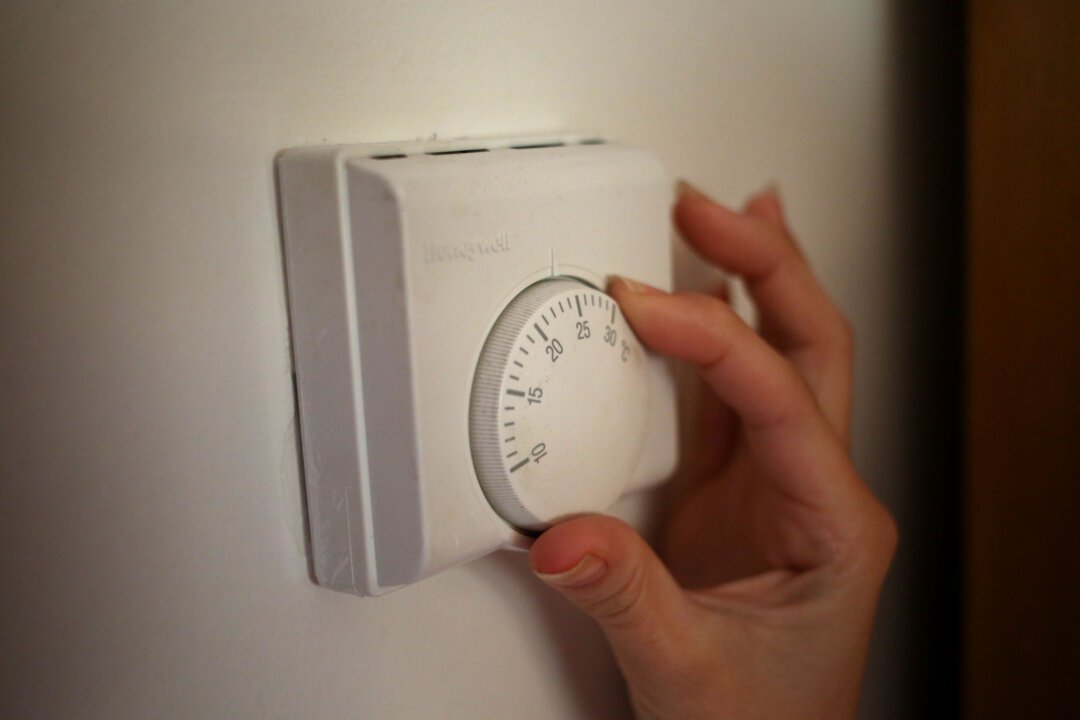
This steep increase in energy costs will directly translate to higher heating bills for American households, with the EIA forecasting a 4 percent jump in winter heating expenses. The impact will be particularly severe for the estimated 42 percent of U.S. households that rely primarily on electricity for their heating needs.
The timing couldn’t be worse for consumers already grappling with elevated living costs. As the October-through-March heating season gets underway, multiple industry forecasts suggest that electricity price increases could double or even triple the projected inflation rate, creating a significant strain on family budgets regardless of their primary fuel source.
The surge in energy costs comes at a time when consumer spending emissions have already shown an uptick, rising by 1.7 percent in 2024 compared to the previous year. This combination of factors suggests that American households will face mounting pressure to balance their energy needs with other essential expenses throughout the winter months.
For families across the nation, these projections signal the need for careful budget planning and potential energy conservation measures as they prepare for what appears to be a costlier winter heating season than many have experienced in recent years.
The EIA’s outlook underscores a broader trend of energy costs outpacing general economic inflation, a pattern that could have lasting implications for household spending priorities and overall economic stability as winter approaches.