





































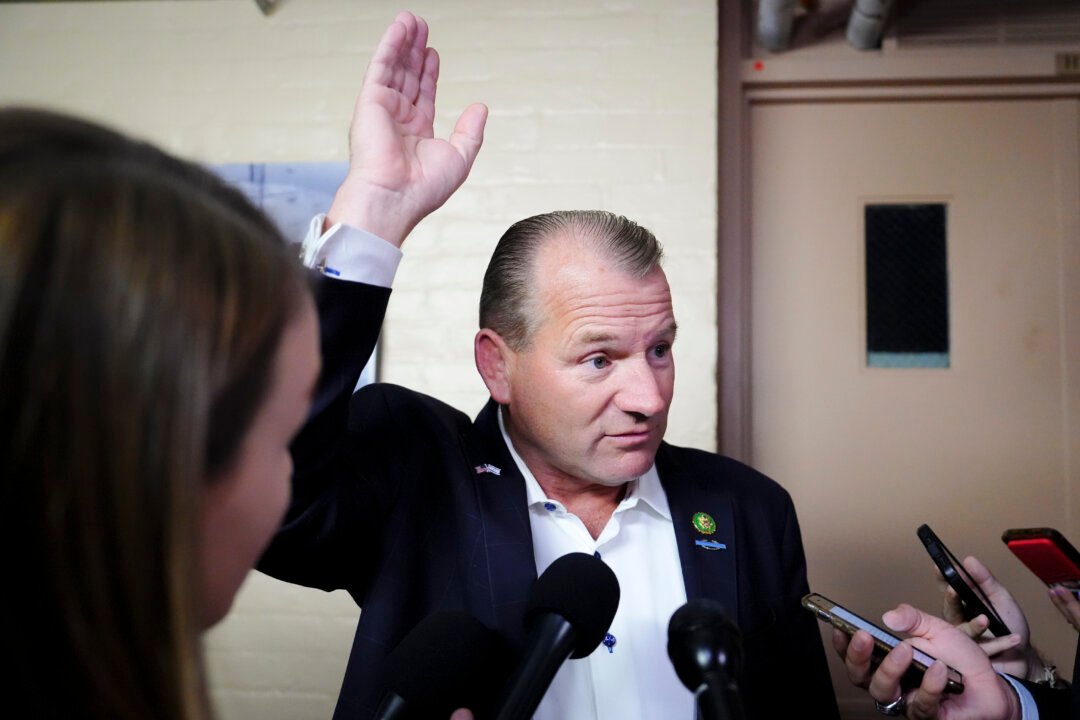
Rep. Troy Nehls (R-Texas) has announced his decision to step away from Congress, citing a desire to prioritize family time over his political career in Washington.

The Texas Republican, who has served the state’s 22nd congressional district since taking office in 2021, made his retirement announcement via social media on November 29, following what he described as meaningful conversations with his family during the Thanksgiving holiday.
“I have made the decision, after conversations with my beautiful bride and my girls over the Thanksgiving holiday, to focus on my family and return home from Congress,” Nehls wrote in his announcement post.
Nehls’ departure marks the end of a relatively brief but notable tenure in the House of Representatives. Since arriving in Congress four years ago, the Texas lawmaker has been an active voice on various conservative issues and has maintained a visible presence in Republican circles.
The announcement comes at a time when several members of Congress have been weighing the demands of public service against personal and family considerations. The rigorous schedule of congressional duties, which often requires extensive travel between Washington D.C. and home districts, has proven challenging for many lawmakers attempting to maintain work-life balance.
Texas’s 22nd congressional district, which Nehls has represented, encompasses portions of the Houston metropolitan area and surrounding communities. His decision to retire will trigger either a special election or leave the seat to be filled in the next regular election cycle, depending on the timing of his official departure.
The congressman’s emphasis on family considerations in his retirement announcement reflects a growing trend among political figures who are choosing to step back from public service to focus on personal priorities. His reference to discussions with his “beautiful bride” and daughters suggests that the decision was made collaboratively with his family members.
As Nehls prepares to transition away from his congressional duties, attention will likely turn to potential candidates who may seek to represent the 22nd district in his absence. The district’s political composition and voting patterns will play a crucial role in determining the competitive landscape for his eventual replacement.