







































Key Takeaways
- Congressional candidates raised approximately $1.5 billion during the 2025-2026 election cycle as of December 31, 2025, according to the Federal Election Commission.
- The individual contribution limit to federal candidates for 2025-2026 is $3,500 per election, as announced by the Federal Election Commission.
- Effective 2026 political fundraising prioritizes digital outreach and small-dollar donors, who represent a crucial funding base.
- New Supreme Court rulings, such as the July 1, 2026, decision on coordinated party spending, significantly impact fundraising compliance and strategy.
- Leveraging platforms like ActBlue or Donorbox is essential for beginners to manage online donations and ensure regulatory adherence.
Embarking on a political campaign requires a robust financial foundation, and understanding **2026 political fundraising strategies beginner’s** is your critical first step. Many aspiring candidates struggle with the complexities of securing funding, but this guide simplifies the process, offering actionable insights to build a strong financial bedrock for your campaign. We will demystify the essential elements, from compliance to digital tools, ensuring you are well-equipped to navigate the fundraising landscape.

Quick Answer: Effective 2026 political fundraising for beginners involves setting clear goals, prioritizing grassroots and digital outreach, leveraging compliant online platforms, and adapting to new campaign finance rulings. Focus on building trust, telling your story, and engaging small-dollar donors early to fuel your campaign.
What is Political Fundraising and Why Does it Matter for 2026?
Political fundraising is the process of soliciting and receiving financial contributions to support a political campaign, candidate, party, or cause. It matters significantly for 2026 because campaigns cannot succeed without the resources to connect with voters, disseminate their message, and operate effectively. Congressional candidates collected approximately $1.5 billion and disbursed $851.9 million between January 1 and December 31, 2025, for the 2025-2026 election cycle, according to the Federal Election Commission (FEC).
Effective fundraising ensures a campaign has the necessary budget for critical activities, including advertising, staffing, travel, and voter outreach. Without adequate funding, even the most compelling candidate struggles to gain visibility and build momentum. “Political fundraising means asking for and receiving contributions to support your campaign,” states GoodParty.org, emphasizing that it involves building trust and telling your story.
This foundational activity is not merely about accumulating money; it’s about mobilizing support and demonstrating viability. A strong financial showing can signal to voters and media that a campaign is serious and has broad backing. This is a core component of any successful 2026 political fundraising strategies beginner’s guide.
Starting Your 2026 Political Fundraising Journey: A Beginner’s Roadmap
Beginning your political fundraising journey requires a structured approach, starting with clear goal-setting and a foundational understanding of the environment. Establishing specific, measurable, achievable, relevant, and time-bound (SMART) objectives is crucial for effective resource allocation. This initial phase sets the tone for all subsequent **2026 political fundraising strategies beginner’s** efforts.
Step 1: Set Clear Fundraising Goals
Define exactly how much money your campaign needs and by when. This initial step is paramount because it dictates the scope of your outreach and the intensity of your efforts. Without a clear financial target, it is impossible to measure success or allocate resources effectively, leading to wasted effort and potential burnout.
Your budget should account for all anticipated campaign expenses, from staff salaries and office rent to digital advertising and voter contact programs. Break down your overall goal into smaller, monthly, or weekly targets to make the task more manageable.
Step 2: Understand 2026 Regulations
Familiarize yourself with federal, state, and local campaign finance laws from the outset. This step is critical because compliance is non-negotiable and mistakes can lead to severe penalties. The Federal Election Commission (FEC) sets federal guidelines, but state and local regulations vary significantly.
For federal campaigns, the individual contribution limit to a candidate is $3,500 per election, effective January 1, 2025, according to the Federal Election Commission (FEC). Understanding these limits prevents inadvertent violations and ensures ethical fundraising practices. A campaign treasurer, ideally appointed early, is essential for navigating these complexities.
Understanding 2026 Campaign Finance Laws: Supreme Court & Compliance
Navigating the complex landscape of 2026 campaign finance laws is essential for any aspiring candidate, especially given recent Supreme Court rulings that reshape the regulatory framework. These laws, primarily enforced by the Federal Election Commission (FEC) for federal elections, dictate who can donate, how much they can give, and how funds can be spent. Political Action Committees (PACs) raised $4.6 billion and spent $3.4 billion during the January 1 to December 31, 2025, period, illustrating the vast financial activity within these regulations, according to the Federal Election Commission.
The Supreme Court’s July 1, 2026, decision on coordinated party spending limits significantly impacts how campaigns and party committees can interact. Justice Brett M. Kavanaugh, writing for the majority, asserted that the decision “will allow all political parties… to participate more freely and compete more fully in the political process.” This ruling allows for closer coordination between party committees and candidates, potentially altering how funds are allocated and messaging is developed.
For beginners, compliance means meticulous record-keeping and strict adherence to contribution limits. Justice Elena Kagan, in her dissent to the ruling, warned that it could enable donors to circumvent existing limits, highlighting the ongoing debate around campaign finance integrity. This makes understanding **2026 political fundraising strategies beginner’s** even more critical.
Key compliance aspects include:
* Contribution Limits: Adhering to the $3,500 individual contribution limit per federal election (primary and general are separate), as set by the Federal Election Commission (2025). The limit to national party committees is $44,300 per calendar year, according to the FEC (2025).
* Prohibited Contributions: Avoiding donations from foreign nationals, corporations, and labor organizations (for federal campaigns).
* Disclosure Requirements: Transparently reporting all contributions and expenditures to the FEC or relevant state agencies.
* Use of Funds: Ensuring campaign funds are used for legitimate campaign expenses, not personal use. Congressman Ritchie Torres (NY-15) introduced the Campaign Funds Integrity Act of 2026 to specifically prohibit using campaign funds in prediction markets.
Effective 2026 Political Fundraising Strategies for Small Campaigns
Small campaigns can effectively compete with larger, better-funded opponents by focusing on grassroots engagement, personalized outreach, and strategic digital tactics. The key for these campaigns is to maximize every dollar and every donor relationship. This is where tailored **2026 political fundraising strategies beginner’s** truly shine.
Step 4: Develop Your Donor Strategy
Identify your potential donor base, segment them, and tailor your outreach. Your initial donors will likely come from your personal network, including friends, family, and professional contacts. Expand this circle by identifying supporters who share your values and vision.
Focus on building relationships rather than just asking for money. Regular communication, sharing campaign updates, and expressing gratitude are vital for donor retention.
Step 5: Craft Compelling Messaging
Your campaign’s message must clearly articulate your vision, values, and why you are the best candidate. A compelling narrative inspires action and encourages financial investment. Connect your policy positions to the real-world impact they will have on your constituents.
A strong message helps potential donors understand what their money will support and why it matters. For more insights on crafting your message, consider resources like “2026 Political Campaign Messaging: 7 Essential Strategies” which provides in-depth guidance.
Step 6: Launch & Manage Campaigns
Execute your fundraising plan with a mix of events, direct appeals, and digital outreach. Start with smaller, more intimate events like house parties, which allow for personal connections and generate initial momentum. These efforts are crucial for building your financial base.
As your campaign grows, scale up your efforts, but always maintain a personal touch. A statewide campaign reportedly raised 11% of its total online revenue from just five days associated with five major campaign moments in a recent cycle, demonstrating the power of timely, impactful appeals.
Leveraging Digital Tools & AI for 2026 Fundraising Success
Digital tools and artificial intelligence (AI) are indispensable for modern political fundraising, enabling campaigns to reach more donors, personalize outreach, and streamline operations. For those new to the political arena, understanding these technologies is a core component of effective **2026 political fundraising strategies beginner’s**. These platforms provide the infrastructure to accept donations, manage donor data, and ensure compliance.
Step 3: Choose Your Fundraising Platforms
Select online donation platforms that are compliant, user-friendly, and integrate with other campaign tools. Platforms like ActBlue for Democratic campaigns and Donorbox, which serves a broader political spectrum, offer robust features for processing contributions and managing donor information. NGP VAN is another leading platform, especially for Democratic campaigns, providing comprehensive fundraising software and voter file access.
These platforms automate many administrative tasks, from sending receipts to generating compliance reports, significantly reducing the burden on small campaign teams. Explore options that offer strong security and integrate with your campaign’s CRM (Customer Relationship Management) system.
Digital strategies for fundraising include:
* Online Donation Pages: Easy-to-use, secure pages for one-time and recurring contributions.
* Email Campaigns: Targeted emails with personalized asks and compelling calls to action.
* Social Media Appeals: Engaging content across platforms to drive traffic to donation pages.
* Texting Campaigns: Peer-to-peer texting, as famously used by Bernie Sanders and Pete Buttigieg in 2020, or mass texting with direct donation links, can generate significant revenue. A recent statewide campaign saw peer-to-peer texting drive $632,000 in revenue within 36 hours of launch.
AI can enhance these efforts by analyzing donor data to identify high-potential contributors and predict optimal ask amounts. AI-powered tools can also personalize email content and subject lines, improving open and conversion rates. This allows campaigns to allocate resources more efficiently, ensuring that their **2026 political fundraising strategies beginner’s** are data-driven and impactful.
Budgeting & Financial Planning for First-Time Campaigns in 2026
Effective budgeting and meticulous financial planning are paramount for first-time campaigns in 2026, ensuring that limited resources are allocated strategically and transparently. A well-constructed budget is not just a spending plan; it is a strategic document that guides fundraising goals and operational decisions. Without a clear financial roadmap, campaigns risk running out of funds prematurely or misallocating critical resources.
Your initial budget should account for essential startup costs, such as filing fees, website development, and basic communication tools. As fundraising progresses, adjust your budget to reflect incoming funds and evolving campaign needs. This iterative process is crucial for effective **2026 political fundraising strategies beginner’s**.
Key elements of campaign budgeting include:
* Income Projections: Realistic estimates of expected contributions from various sources (small-dollar, major donors, events).
* Expense Categories: Detailed breakdown of spending areas like staff salaries, advertising, travel, technology, and compliance.
* Contingency Fund: Allocating 10-15% of the budget for unexpected expenses or opportunities.
* Cash Flow Management: Monitoring the inflow and outflow of funds to ensure liquidity throughout the campaign cycle.
For instance, the six major Democratic and Republican party committees reported raising a combined $650 million for the 2026 election cycle as of November 30, 2025, according to Ballotpedia. While this scale is far beyond a beginner’s campaign, it highlights the continuous financial activity and planning required. Even for a local election, robust financial planning is the backbone of any viable campaign, directly impacting the success of your **2026 political fundraising strategies beginner’s**.
Building Your Donor Base: Small-Dollar Donors & Grassroots Efforts
Building a broad and engaged donor base, particularly through small-dollar contributions and grassroots efforts, is fundamental for sustainable political fundraising. While large donations are impactful, a diverse base of small-dollar donors provides resilience and demonstrates widespread support. Only 1.36% of voting-age Americans gave over $200 in political donations in the 2024 presidential election, according to OpenSecrets data cited by GoodParty.org, underscoring the vast untapped potential of small-dollar donors.
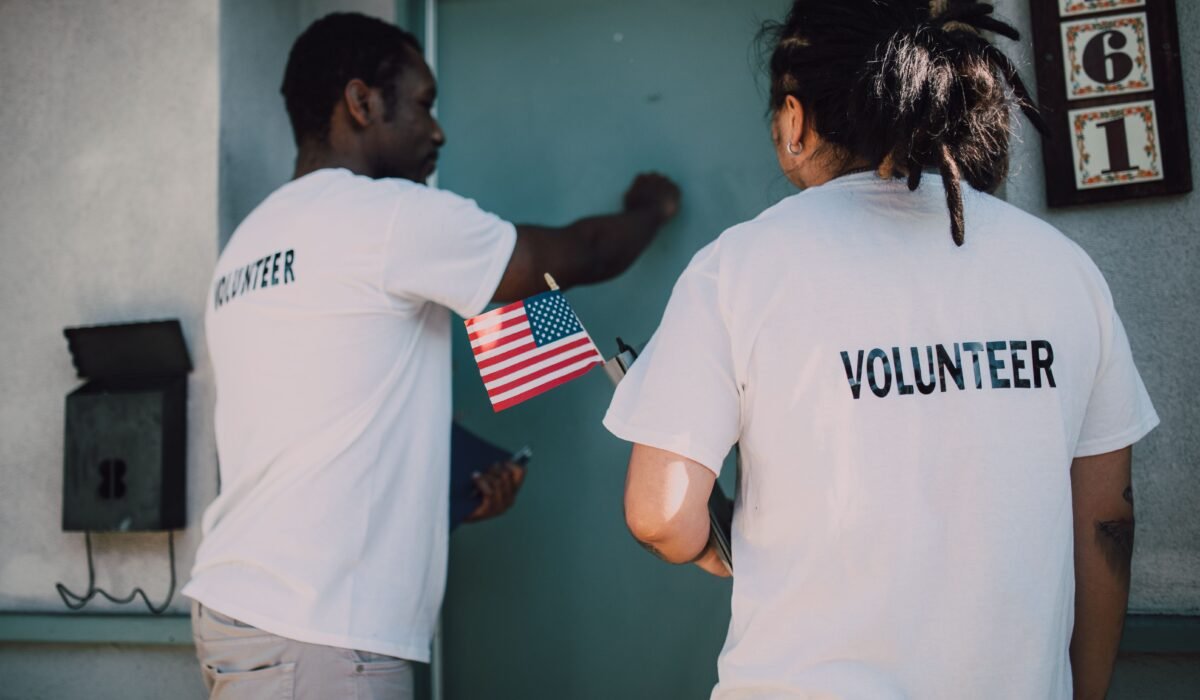
Grassroots fundraising involves directly engaging with community members through events, door-to-door canvassing, and local meet-and-greets. These interactions build personal connections and foster a sense of ownership among supporters. These efforts are central to any effective **2026 political fundraising strategies beginner’s**.
Step 7: Track & Report Contributions
Implement a robust system for tracking all contributions and expenditures, and ensure timely reporting to regulatory bodies. Accurate record-keeping is not just a compliance requirement; it provides invaluable data for future fundraising efforts. This process allows you to identify your most loyal donors, understand giving patterns, and measure the effectiveness of different outreach methods.
Utilize CRM software like NationBuilder or NGP VAN to manage donor data, track interactions, and automate reporting. This systematic approach is critical for maintaining transparency and adhering to stringent campaign finance laws.
Common Mistakes to Avoid in 2026 Political Fundraising
Avoiding common pitfalls is just as crucial as implementing effective strategies when undertaking political fundraising for the first time. Many beginner campaigns falter due to preventable errors that can jeopardize their financial viability and compliance. These are critical lessons for anyone developing **2026 political fundraising strategies beginner’s**.
One significant mistake is failing to understand and comply with campaign finance laws from the outset. Ignorance of regulations, such as contribution limits or disclosure requirements, can lead to fines, reputational damage, and even legal action. Always consult with a campaign treasurer or legal expert to ensure adherence to Federal Election Commission (FEC) rules and state-specific mandates.
Another common error is neglecting donor stewardship. Fundraising is not a one-time transaction; it’s about building lasting relationships. Failing to thank donors, provide updates, or engage them beyond the initial ask can lead to high attrition rates. Personalized communication, as seen with Oncor’s PAC increasing membership by 50 new members from a single CEO email, demonstrates the power of consistent engagement.
Step 8: Adapt to Campaign Progress
Continuously evaluate your fundraising performance and adjust your strategies based on results. Failing to adapt is a critical mistake that can lead to stagnation. The political landscape and donor sentiment can shift rapidly, requiring flexibility in your approach.
Regularly review your budget, fundraising goals, and outreach methods. If certain strategies are underperforming, don’t hesitate to pivot and try new tactics. This iterative process of assessment and adaptation ensures your **2026 political fundraising strategies beginner’s** remain dynamic and effective throughout the campaign cycle.
Frequently Asked Questions
What are the most effective political fundraising strategies for 2026?
The most effective 2026 political fundraising strategies for beginners blend grassroots efforts with digital outreach, focusing on small-dollar donors and compelling personal narratives. Leveraging online donation platforms like ActBlue or Donorbox is critical for accessibility. A statewide campaign recently saw 11% of its total online revenue generated from just five key campaign moments, according to campaign reports (recent cycle).
How do I start political fundraising for a beginner?
To start political fundraising as a beginner, first establish clear financial goals and understand all relevant campaign finance laws. Begin by reaching out to your personal network, then expand through small, intimate events and targeted digital appeals. The individual contribution limit to federal candidates is $3,500 per election, according to the Federal Election Commission (2025), so plan your asks accordingly.
What digital tools and channels are best for political fundraising?
Best digital tools for political fundraising include online donation platforms like ActBlue, Donorbox, and NGP VAN, alongside email marketing and peer-to-peer texting services. These platforms streamline donation processing, donor management, and compliance reporting. The six major Democratic and Republican party committees combined raised $650 million for the 2026 election cycle as of November 30, 2025, according to Ballotpedia, much of which is facilitated through advanced digital infrastructure.
How do election years impact fundraising efforts?
Election years intensify fundraising efforts due to increased competition and heightened public engagement. Campaigns typically see a surge in contributions closer to election dates, especially during primary and general election cycles. Congressional candidates collected approximately $1.5 billion during the 2025-2026 election cycle as of December 31, 2025, according to the Federal Election Commission, demonstrating the significant financial activity in an election year.
What are the legal limits on political campaign contributions in 2026?
The legal limits on political campaign contributions for 2026 federal elections are $3,500 per individual per candidate per election (primary and general are separate). For national party committees, the limit is $44,300 per calendar year, according to the Federal Election Commission (2025). These limits are periodically adjusted for inflation, making continuous compliance monitoring essential for all campaigns.