





































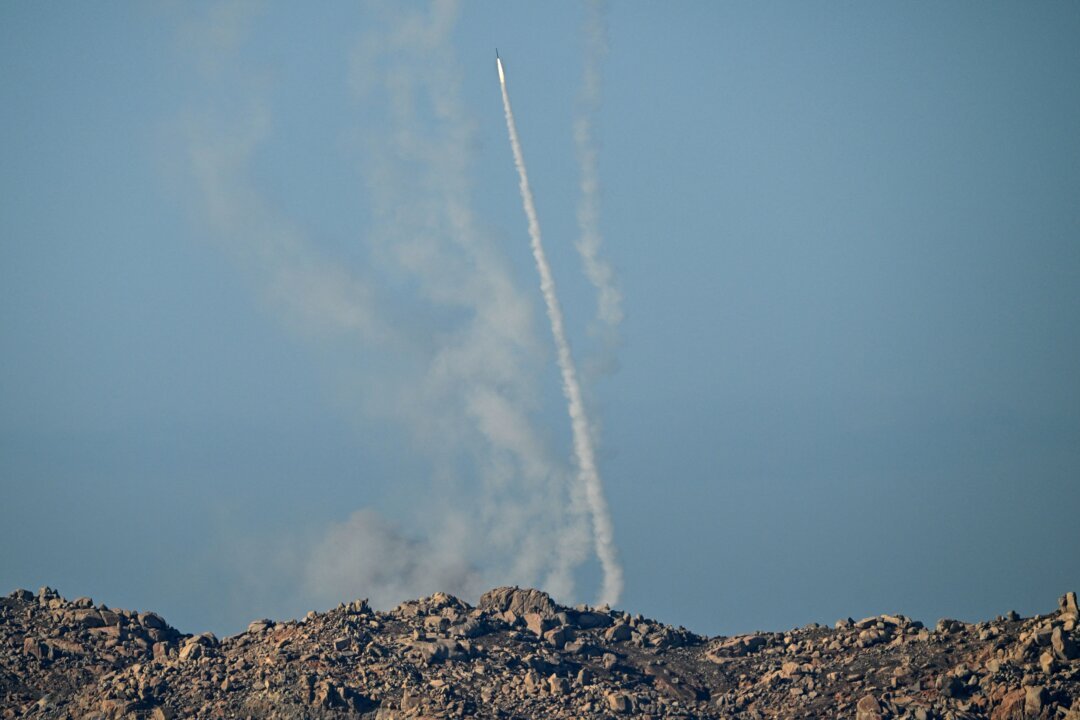
Canada has issued a sharp rebuke of China’s large-scale military operations around Taiwan this week, as Beijing conducted provocative drills involving missile launches and massive deployments of warplanes and naval vessels in the Taiwan Strait.

The dramatic show of force by Chinese forces included coordinated air and sea maneuvers from Pingtan Island in Fujian Province, the closest mainland Chinese territory to Taiwan. Military personnel were photographed launching rockets during the exercises, which took place on December 30, 2025, sending a clear message of intimidation to the self-governed island.
Global Affairs Canada responded swiftly to the escalating tensions with an unequivocal statement on January 1, declaring that “Canada opposes any unilateral attempts to change the status quo across the Taiwan Strait.”
The Canadian government’s condemnation reflects growing international concern over China’s increasingly aggressive posture toward Taiwan, which Beijing considers a breakaway province that must eventually be reunified with mainland China. The military drills represent the latest in a series of provocative actions by Chinese forces designed to pressure Taiwan and test international resolve.
These large-scale exercises involved sophisticated coordination between multiple branches of China’s People’s Liberation Army, including air force fighter jets, naval destroyers, and ground-based missile systems. The deployment of such extensive military assets near Taiwan’s borders has raised alarm bells among Western allies who view the island’s democratic government as a strategic partner in the Indo-Pacific region.
Canada’s firm diplomatic stance aligns with similar positions taken by other Western democracies, including the United States, which has repeatedly called for peaceful resolution of cross-strait tensions. The international community continues to monitor the situation closely as regional security concerns mount over China’s military ambitions in the South China Sea and Taiwan Strait.
The timing of these military exercises adds another layer of complexity to an already volatile geopolitical landscape, as nations worldwide grapple with shifting power dynamics in the Asia-Pacific region. Taiwan, meanwhile, continues to maintain its defensive capabilities while seeking support from democratic allies who share concerns about authoritarian expansion.