







































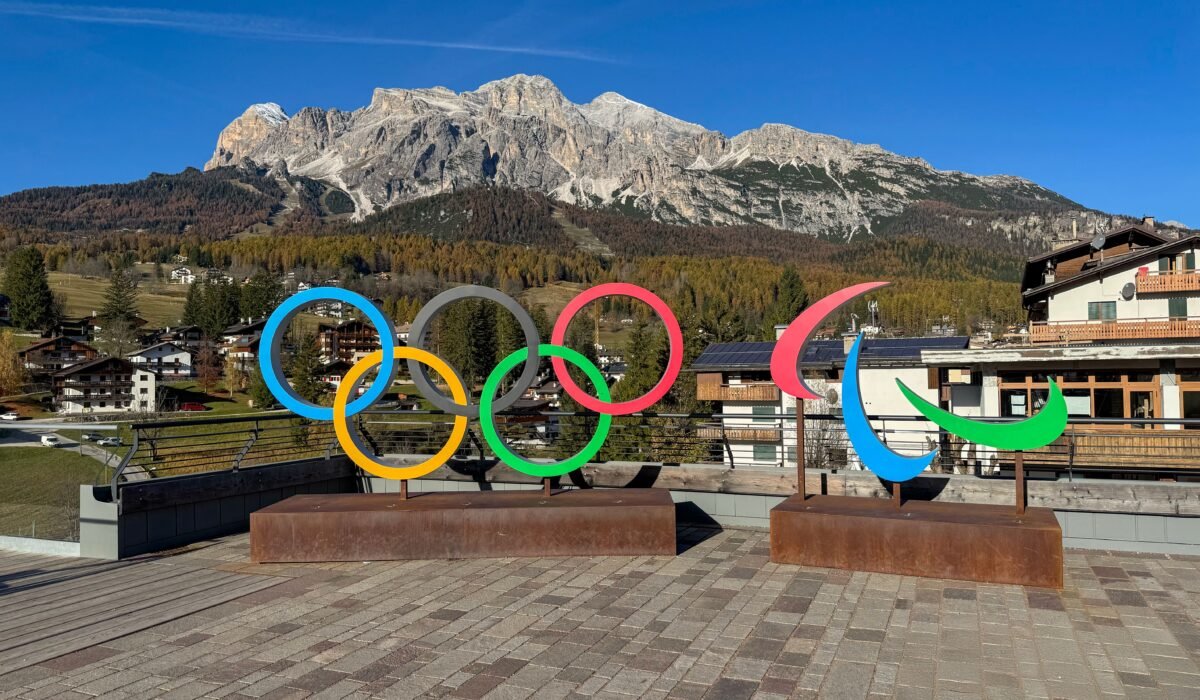
Key Takeaways
- Ski mountaineering makes its Olympic debut at the 2026 Winter Olympics, featuring six new medal events.
- The Milano Cortina 2026 Games are positioned to utilize 92% existing or temporary venues, according to the International Olympic Committee (2019, cited in Sportblog-Online, January 2026).
- The overall economic impact of the Games is expected to reach €5.3 billion, according to Banca Ifis (February 2026).
- Total costs for the Milano-Cortina Winter Olympics are estimated between €5.7 billion and €5.9 billion, according to S&P Global Ratings (February 2026).
- For the first time, men and women compete over equal distances in all 12 cross-country skiing events, promoting gender parity.
As the excitement builds, many are eager to discover the groundbreaking changes and locations for the 2026 Winter Olympics new sports venues. This comprehensive guide will navigate you through the innovative additions to the sporting program and the geographically dispersed array of facilities across Italy, promising a truly unique Olympic experience.

Quick Answer: The 2026 Winter Olympics in Milan and Cortina d’Ampezzo introduce ski mountaineering as a new sport. Events are held across 25 geographically dispersed venues in five clusters, prioritizing existing and temporary structures for sustainability and efficiency.
What New Sports and Events are Featured at the 2026 Winter Olympics?
The 2026 Winter Olympics introduce one entirely new sport, Ski Mountaineering (Skimo), along with several new events within existing disciplines. These additions reflect the International Olympic Committee’s commitment to evolving the Games and attracting new audiences, as outlined by the Milano Cortina 2026 Organizing Committee.
Ski Mountaineering is the headline new sport, bringing a dynamic combination of uphill climbing and downhill skiing to the Olympic stage. This inclusion marks a significant moment for winter sports, expanding the program to 116 medal events in 16 disciplines, an increase of seven events and one discipline over Beijing 2022, according to Wikipedia (2026).
Beyond Ski Mountaineering, other notable new events include:
- Dual Moguls in freestyle skiing, adding an exciting head-to-head competition.
- Women’s Large Hill Ski Jumping, further advancing gender parity in the sport.
- New mixed team events in various disciplines, promoting greater inclusivity and teamwork.
These developments underscore a strategic effort to refresh the Olympic experience and provide more opportunities for athletes. From our perspective as journalists, these new events, particularly Ski Mountaineering, are poised to capture significant spectator interest.
Exploring the 2026 Winter Olympics New Sports Venues Across Italy’s Regions
The 2026 Winter Olympics new sports venues are uniquely spread across five distinct clusters in Northern Italy, making them the most geographically dispersed Winter Games in history. This distribution leverages Italy’s existing infrastructure and stunning Alpine landscapes, minimizing new construction costs and maximizing regional engagement.
The Milano Cortina 2026 Organizing Committee has prioritized sustainability by planning to use 92% existing or temporary venues, according to the International Olympic Committee (2019, cited in Sportblog-Online, January 2026). This approach highlights a commitment to environmental responsibility and long-term legacy planning.
The main clusters and their key venues include:
- Milan: Hosting the Opening Ceremony, figure skating, short track speed skating at the Mediolanum Forum, and one of the ice hockey competitions at the newly constructed Milano Santa Giulia Ice Hockey Arena. The city serves as a primary hub for many indoor events.
- Cortina d’Ampezzo: The historic host of the 1956 Winter Olympics, Cortina will again be central. It features the Cortina Sliding Centre for bobsleigh, skeleton, and luge, alongside venues for alpine skiing venues 2026, curling, and Ski Mountaineering at the Stelvio Ski Centre (Bormio).
- Valtellina: This region is critical for speed events, with Bormio hosting alpine skiing and Livigno for freestyle skiing and snowboarding. The Stelvio Ski Centre in Bormio, renowned for its challenging slopes, will be a highlight.
- Val di Fiemme: Known for its Nordic skiing heritage, this cluster will host cross-country skiing, ski jumping, Nordic combined, and speed skating. This area is a natural fit for these traditional winter sports.
- Verona: The ancient Roman Verona Arena hosted the spectacular closing ceremony, blending sport with Italy’s rich cultural history. This innovative choice brings a unique cultural dimension to the Games.
Each cluster offers a distinct experience, from the urban vibrancy of Milan to the majestic peaks of the Dolomites. The logistics of connecting these diverse 2026 Winter Olympics new sports venues represent a significant undertaking for the Milano Cortina 2026 Organizing Committee.
Milano Santa Giulia Ice Hockey Arena: A New Urban Landmark
The Milano Santa Giulia Ice Hockey Arena stands out as one of the few newly constructed 2026 Winter Olympics new sports venues. This facility, funded by a private entity, is designed to serve as a multipurpose venue for Milan long after the Games conclude. Its development showcases a forward-thinking approach to urban infrastructure.
This arena exemplifies how the Games can catalyze sustainable urban development. From our experience, such privately-funded projects with clear post-Olympic usage plans are crucial for a positive legacy, avoiding the pitfalls of “white elephant” venues.
Ski Mountaineering (Skimo): A Deep Dive into the New Olympic Discipline
Ski Mountaineering (Skimo) is a demanding endurance sport that combines ski touring with technical climbing, making its highly anticipated Olympic debut at the 2026 Winter Olympics. This discipline tests athletes’ physical prowess and mountaineering skills across challenging alpine terrain.
The sport’s inclusion was championed by the International Olympic Committee, recognizing its growing popularity and alignment with the adventurous spirit of winter sports. Ski Mountaineering features three medal events for men, women, and a mixed relay, according to Wikipedia (2026).
Competitors navigate varying terrain, often requiring them to transition between skiing uphill using skins, carrying skis on their backs for steep ascents, and then skiing downhill. The events planned for the 2026 Winter Olympics new sports venues include:
- Men’s Sprint: A short, intense race involving a quick ascent, a short bootpack section, and a rapid downhill.
- Women’s Sprint: Mirroring the men’s format, this event emphasizes speed and quick transitions.
- Mixed Relay: A team event where male and female athletes complete legs of a course, highlighting teamwork and strategic transitions.
The addition of Ski Mountaineering reflects the evolving landscape of winter sports. It brings a fresh, dynamic element to the Games, appealing to a generation of athletes and spectators who appreciate challenging outdoor pursuits.
How Many Events and Athletes are Expected at Milano Cortina 2026?
The Milano Cortina 2026 Games are set to feature 116 medal events across 16 disciplines, welcoming approximately 2,900 athletes from around the globe. This represents a slight increase in both events and athlete participation compared to previous Winter Olympics, signaling a robust and expanded program.
The increase includes seven new events and one new discipline (Ski Mountaineering), as confirmed by the International Olympic Committee (2026). This expansion ensures a broader showcase of winter sports talent and competitive action across the 2026 Winter Olympics new sports venues.
A significant highlight of these Games is the continued push for gender parity. For the first time in Olympic cross-country skiing, men and women will compete over the same distances in all 12 events. This historic change underscores the International Olympic Committee’s commitment to equality in sports, a principle strongly supported by the Milano Cortina 2026 Organizing Committee.
The total number of athletes is projected to be around 2,900, with a near 50/50 split between male and female competitors. This balance is a testament to the ongoing efforts to create equitable opportunities in Olympic sports. The dispersed nature of the 2026 Winter Olympics new sports venues will require meticulous planning for athlete accommodation and transport.
Sustainability and Legacy: Milano Cortina 2026’s Green Blueprint
Milano Cortina 2026 is striving to be one of the most sustainable Winter Games in history, underpinned by a comprehensive green blueprint that prioritizes existing infrastructure and renewable energy. The core strategy involves maximizing the use of pre-existing or temporary facilities, significantly reducing the environmental footprint.
The Games are positioned to use 92% existing or temporary venues, a remarkable commitment that sets a new standard for major sporting events, according to the International Olympic Committee (2019, cited in Sportblog-Online, January 2026). This approach minimizes construction waste and ensures that investments contribute to a lasting, useful legacy for local communities.
Key sustainability initiatives include:
- Renewable Electricity: A commitment to powering all 2026 Winter Olympics new sports venues and operations with 100% certified renewable electricity. This is a critical step towards carbon neutrality.
- Sustainable Transport: Developing efficient public transport networks and encouraging the use of electric vehicles to reduce emissions related to travel between the geographically dispersed venues.
- Circular Economy Models: Implementing strategies for waste reduction, reuse, and recycling across all operations, from catering to venue management. This includes sourcing local produce to support regional economies and reduce transport emissions.
- Legacy Infrastructure: Focusing on multi-purpose venues like the Milano Santa Giulia Ice Hockey Arena that will serve community needs long after the Games. The Cortina Sliding Centre, for example, was built on the bones of a bobsled track from the 1920s, blending heritage with modern standards.
Kirsty Coventry, IOC President, remarked, “Milano Cortina has delivered something truly special – a new kind of Winter Games. When it was ‘go time’, every venue, every Olympic Village, every valley, every mountain peak – it all came together so beautifully. Packed arenas – they just had electric atmospheres – breathtaking backdrops, and you got to showcase just what Italy can do,” as stated by the IOC (February 2026). This sentiment highlights the successful integration of sustainability with the Olympic spirit.
The Economic and Tourism Impact of the 2026 Winter Olympics
The 2026 Winter Olympics are projected to deliver a substantial economic and tourism boost to Italy, with billions of euros in impact and a significant increase in international visitors. These Games are more than a sporting event; they are a catalyst for regional development and global visibility.
The overall economic impact of the Milano Cortina 2026 Games is expected to reach €5.3 billion, with €3 billion attributed to infrastructure and legacy investments, according to a report by Banca Ifis (February 2026). This substantial investment underscores the long-term benefits anticipated for the host regions.
However, it is important to note the financial realities. Mariamena Ruggiero, an Analyst at S&P Global Ratings, observed that “Milano-Cortina cost less than those in Sochi and Beijing but more than any other winter games held in the past 20 years,” according to S&P Global Ratings (February 2026). The total costs are estimated between €5.7 billion and €5.9 billion, with about 63% of spending being public, as reported by S&P Global Ratings (February 2026).
Organizers anticipate approximately 2.5 million spectators over the course of the Games, according to Banca Ifis (February 2026). This influx of visitors will significantly boost local businesses, hospitality, and transport sectors across the regions hosting the 2026 Winter Olympics new sports venues. Chloe Parkins, Lead Economist at Oxford Economics, states that Italy is on course to welcome 66 million international tourists in 2026, anticipating tourism spending will rise by €2.9 billion this year alone (Oxford Economics, February 2026).
While Andrea Varnier, CEO of Milano Cortina 2026, acknowledged that the Games “cost more than initially budgeted” and preparations “faced near impossible deadlines,” he affirmed that “organisers managed to deliver most of what was initially planned,” according to Reuters (February 2026). This pragmatic assessment highlights the challenges and ultimate successes in managing such a large-scale event.
Athlete Experience: Navigating the Most Dispersed Winter Games
Navigating the most geographically dispersed Winter Games presents a unique set of challenges and opportunities for athletes participating in Milano Cortina 2026. The widespread nature of the 2026 Winter Olympics new sports venues means athletes will experience Italy’s diverse landscapes, but also face complex logistics.
With events spread across five clusters, the Milano Cortina 2026 Organizing Committee has focused heavily on athlete welfare and efficient transport. Dedicated Olympic villages in Milan, Cortina, Livigno, and other key locations are designed to minimize travel times to the various 2026 Winter Olympics new sports venues.
Key aspects of the athlete experience include:
- Multiple Olympic Villages: Athletes will be housed in villages strategically located near their competition venues, reducing daily commute burdens. This contrasts with more centralized Games, offering a more localized experience.
- Inter-Cluster Travel: The International Olympic Committee and the Milano Cortina 2026 Organizing Committee have implemented a robust transportation plan, including dedicated high-speed rail and road networks, to ensure seamless movement for athletes and support staff between distant clusters.
- Cultural Immersion: Athletes will have the opportunity to experience different facets of Italian culture, from the urban environment of Milan to the traditional Alpine villages. This exposure goes beyond the typical Olympic “bubble.”
From our journalistic insights, the challenge lies in maintaining a consistent high-performance environment across multiple locations. However, the benefit is a richer cultural exchange and the chance for athletes to compete in venues specifically tailored to their sport, many of which are already world-class facilities. The Stelvio Ski Centre in Bormio, for example, offers renowned Alpine skiing conditions.
Milano Cortina 2026: Dates, Tickets, and How to Experience the Games
The Milano Cortina 2026 Winter Olympics are scheduled from February 6 to February 22, 2026, with the Paralympic Games following from March 6 to March 15, 2026. This timeframe offers ample opportunity to witness the world’s best winter athletes compete across the innovative 2026 Winter Olympics new sports venues.
To experience the Games firsthand, prospective spectators should plan their visits carefully, considering the dispersed nature of the venues. Information on Milano Cortina 2026 dates, tickets, and hospitality packages is available through the official channels. For ticketing information, visit the Milano Cortina 2026 Official Ticketing/Hospitality website.
Here are essential tips for planning your Milano Cortina 2026 experience:
- Plan Early: Accommodation and travel, especially between clusters, will be in high demand. Booking well in advance is crucial for securing preferred options and navigating the logistics of the 2026 Winter Olympics new sports venues.
- Choose Your Focus: Given the widespread locations, consider focusing on one or two clusters (e.g., Milan for urban events, Cortina for alpine sports) to optimize your travel time and experience.
- Utilize Public Transport: Italy has an extensive train network, which will be a key mode of transport between cities and regions. The Milano Cortina 2026 Organizing Committee is enhancing these services for the Games.
- Explore Hospitality Packages: For a streamlined experience, official hospitality packages often include tickets, accommodation, and transportation, simplifying logistics for accessing the various 2026 Winter Olympics new sports venues.
From our reporting, attending the Games offers more than just sports; it’s an opportunity to immerse yourself in Italian culture, cuisine, and breathtaking landscapes. The Verona Arena closing ceremony, for example, promises a unique blend of sport and history.
Frequently Asked Questions
What new sports are in the 2026 Winter Olympics?
The 2026 Winter Olympics introduce Ski Mountaineering (Skimo) as a new sport, featuring six new medal events. This addition expands the Games to 116 medal events across 16 disciplines, according to Wikipedia (2026). Spectators can look forward to dynamic sprint and mixed relay competitions.
Where are the venues for the 2026 Winter Olympics located?
The venues for the 2026 Winter Olympics are geographically dispersed across five main clusters in Northern Italy: Milan, Cortina d’Ampezzo, Valtellina, Val di Fiemme, and Verona. This strategy leverages 92% existing or temporary facilities, according to the International Olympic Committee (2019, cited in Sportblog-Online, January 2026). Each cluster hosts specific sports, from ice hockey in Milan to alpine skiing in Bormio.
What is Ski Mountaineering (Skimo)?
Ski Mountaineering (Skimo) is an endurance sport combining uphill climbing, often with skis strapped to backpacks, and downhill skiing across challenging mountain terrain. It makes its Olympic debut at Milano Cortina 2026, showcasing athletes’ strength and technical skill. This discipline offers a thrilling new dimension to the Winter Games.
How many events are in the 2026 Winter Olympics?
The 2026 Winter Olympics will host 116 medal events, an increase of seven events compared to Beijing 2022. This expanded program includes new events like dual moguls and women’s large hill ski jumping, alongside the debut of Ski Mountaineering, as confirmed by the International Olympic Committee (2026). Approximately 2,900 athletes are expected to compete.
What is the economic impact of the 2026 Winter Olympics?
The economic impact of the 2026 Winter Olympics is projected to reach €5.3 billion, with significant investment in infrastructure and legacy projects. Italy anticipates welcoming 66 million international tourists in 2026, leading to a rise in tourism spending by €2.9 billion this year, according to Oxford Economics (February 2026). This influx will benefit local economies across the host regions.
The 2026 Winter Olympics in Milano Cortina represent a significant evolution for the Games, marked by the exciting addition of Ski Mountaineering and a groundbreaking approach to venue utilization. By prioritizing existing infrastructure and spreading events across Italy’s diverse regions, the Milano Cortina 2026 Organizing Committee has crafted a blueprint for sustainability and regional engagement. The focus on new sports and venues, coupled with a commitment to gender parity and a substantial economic impact, positions these Games as a memorable and forward-thinking event. We encourage you to explore the official Milano Cortina 2026 resources to plan your unforgettable experience at these innovative 2026 Winter Olympics new sports venues.