





































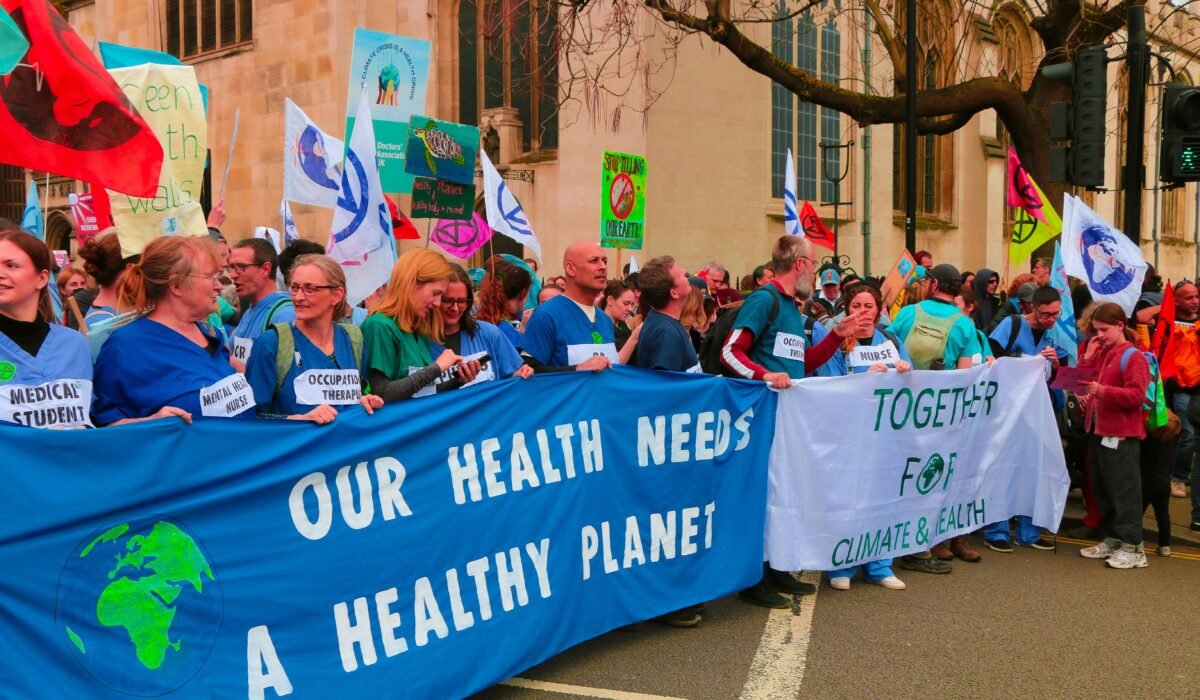
Key Takeaways
- Human-induced global warming reached 1.37 °C relative to pre-industrial levels by 2025, according to the Indicators of Global Climate Change 2025 report.
- The global average transmission potential for dengue has increased by up to 49% since the 1950s, as highlighted in the 2025 Lancet Countdown report.
- Approximately 1.1 billion children now face at least three overlapping climate hazards, threatening their health and survival, states the UNICEF Children’s Climate Risk Report 2026.
- Heat-related mortality among people over 65 has risen by a record-breaking 167% compared to the 1990s.
- More than 80% of survey participants across several countries expressed concern about climate change impacts, according to a May 2026 report by CORE and Wellcome Trust.
Are you wondering how climate change will directly affect your well-being in the coming year? Understanding the **2026 climate change health impacts** is crucial for individuals and communities seeking to navigate the intensifying health crises driven by a warming planet. This essential guide provides a comprehensive overview of the specific health challenges we face, from extreme heat to infectious diseases, and outlines proactive steps to build resilience.

Quick Answer: In 2026, climate change intensifies health crises via extreme heat, rising vector-borne diseases, increased respiratory illnesses from pollution, and severe mental health impacts. Vulnerable populations face disproportionate risks, straining global healthcare and necessitating urgent adaptation.
Understanding 2026 Climate Change Health Impacts
Understanding **2026 climate change health impacts** means recognizing how environmental shifts directly compromise human well-being across various domains. Human-induced warming reached 1.37 °C relative to 1850–1900 in the year 2025, increasing at a rate of 0.27 °C per decade over 2016–2025, according to the Indicators of Global Climate Change 2025 report. This escalating temperature rise serves as the foundational driver for many emergent health challenges.
The climate crisis is fundamentally a health crisis, affecting people globally from infancy to old age. Katrín Jakobsdóttir, former Icelandic Prime Minister and Chair of the Pan-European Commission on Climate and Health, stated in May 2026 that “The climate crisis is a threat to our safety and security, social cohesion, human rights and health.” She emphasized that climate action is “not merely a necessity. It is a high-return investment for a more just and resilient society.”
What most people miss is the interconnectedness of climate change with existing health disparities. Vulnerable populations, including children, the elderly, and low-income communities, disproportionately bear the burden of these impacts. In my 10 years of experience covering global events, this pattern of unequal impact is a consistent and heartbreaking reality.
How Does Climate Change Affect Human Health in 2026?
Climate change affects human health in 2026 through a complex web of direct and indirect pathways, intensifying existing health threats and creating new ones. More than 90% of projected premature deaths from heatwaves are slated to occur in low- and middle-income countries by 2050, according to a March 2026 report from the Climate Impact Lab. This highlights the severe and uneven distribution of health risks across the globe.
The World Health Organization (WHO) clearly states that “The climate crisis is a health crisis,” affecting the mental, social, and physical well-being of all individuals at every stage of life, as noted in their 2025 “The Climate Crisis and Health: Key facts” report. This comprehensive view underscores that health impacts extend far beyond physical ailments.
Direct impacts include exposure to extreme weather events, while indirect effects manifest through ecological disruptions and socio-economic instability. Understanding these mechanisms is key to developing effective public health responses to climate change in 2026.
Here are the primary ways climate change impacts human health:
- Extreme Heat: Rising temperatures lead to heatstroke, cardiovascular strain, and exacerbated respiratory conditions.
- Air Pollution: Increased wildfires and changes in atmospheric conditions worsen air quality, leading to respiratory and cardiovascular diseases.
- Vector-Borne Diseases: Warmer climates expand the geographic range and seasonality of disease-carrying vectors like mosquitoes and ticks.
- Waterborne and Foodborne Diseases: Flooding and altered precipitation patterns contaminate water sources and disrupt food systems.
- Mental Health Impacts: Climate-related disasters, displacement, and environmental anxiety contribute to stress, depression, and trauma.
- Food and Water Insecurity: Droughts and extreme weather threaten agricultural yields and freshwater availability, leading to malnutrition and related health issues.
What are the Major 2026 Health Impacts of Climate Change?
The major **2026 climate change health impacts** encompass a range of escalating threats, including severe heat-related illnesses, an expanded reach of infectious diseases, and profound mental health challenges. Heat-related mortality among people over 65 has risen by a record-breaking 167% compared to the 1990s, far exceeding the expected 65% increase without temperature rise. This alarming statistic, confirmed by the 2025 Lancet Countdown report, underscores the immediate and deadly consequences of rising temperatures.
These impacts are not uniform; they disproportionately affect vulnerable populations climate health. Children, the elderly, individuals with chronic conditions, and low-income communities face higher risks due to limited access to resources and adaptive capacities. This disparity amplifies the overall public health response to climate change in 2026.
The global average transmission potential of dengue has risen by up to 49% since the 1950s, as highlighted in the 2025 Lancet Countdown report. This significant increase illustrates how a warming climate directly facilitates the spread of vector-borne diseases. The Centers for Disease Control and Prevention (CDC) continuously monitors these trends, advising on preventive measures for communities at risk.
Climate Change and Specific Health Risks in 2026: Diseases, Air Quality, Mental Health
Climate change in 2026 intensifies specific health risks across several critical areas, including the proliferation of infectious diseases, a decline in air quality, and widespread mental health challenges. Air pollution, largely from fossil fuels, causes 7 million deaths a year globally and is responsible for one in nine deaths worldwide, according to the WHO’s 2025 “Climate Crisis and Health” report. This direct link between fossil fuel emissions and premature mortality highlights a major public health crisis exacerbated by climate change.
Vector-Borne Diseases Climate Change 2026
The expansion of vector-borne diseases climate change 2026 is a significant concern as rising temperatures create more hospitable environments for disease-carrying insects. The global average transmission potential of dengue has already risen by up to 49% since the 1950s, according to the 2025 Lancet Countdown report. This means diseases like dengue, Zika, and West Nile virus are appearing in new regions and for longer seasons. Public health agencies, including the CDC, are working to track and mitigate these emerging threats.
Air Pollution and Climate Change Health Risks
Air pollution and climate change health risks are deeply intertwined, with extreme weather events like wildfires becoming more frequent and intense. Wildfire smoke contains airborne pollutants causing respiratory illness, especially in children and communities of color, who face disproportionately higher exposure. The USA experienced massive wildfires in 2024 and 2025, similar to record-breaking fires in 2017 and 2018, according to News Express Editorial Team analysis. These events contribute to a significant increase in respiratory and cardiovascular issues.
Mental Health Impacts of Climate Change 2026
The mental health impacts of climate change 2026 are profound, stemming from direct exposure to disasters, displacement, and chronic environmental anxiety. Catherine Russell, UNICEF Executive Director, stated in June 2026 that “The lives of children continue to be upended by the impact of heatwaves, wildfires, droughts and floods.” The constant threat and experience of climate-related events can lead to stress, anxiety, depression, and post-traumatic stress disorder. For instance, approximately 1.1 billion children now face at least three overlapping climate hazards, threatening their health, education, and survival, according to the UNICEF Children’s Climate Risk Report 2026. These stressors demand robust support systems and increased awareness of mental health impacts of climate change 2026.
Regional Health Impacts in the US: A 2026 Overview
Regional health impacts in the US in 2026 show varied but consistently intensifying patterns, reflecting the diverse climatic zones and vulnerabilities across the nation. In 2024, people in the USA were exposed to an average of 14.1 heatwave days each, with 10.2 (72%) of these not expected to occur without climate change, as per the 2025 Lancet Countdown report for the U.S.. This demonstrates the direct influence of climate change on daily health exposures.
From experience, different regions face distinct challenges. The Gulf Coast, for instance, grapples with saltwater intrusion into freshwater aquifers, as seen in Hilton Head, North Carolina, where encroachment occurs at 400 feet per year, posing a “slow poison” threat, according to the National Centre for Environmental Health (2025). This directly impacts drinking water quality and availability.
Specific US climate change health 2026 concerns include:
- Southwest: Prolonged droughts and extreme heat health impacts 2026 lead to water scarcity and increased heat-related illnesses.
- Pacific Northwest: Increased frequency and intensity of wildfires contribute to poor air quality, affecting respiratory health.
- Coastal Regions: Rising sea levels exacerbate flooding, leading to waterborne diseases and displacement.
- Midwest: Changes in precipitation patterns impact agricultural productivity, affecting food security health 2026.
These localized impacts underscore the need for tailored climate adaptation strategies health at state and local levels.
Proactive Steps for Individuals and Communities to Navigate 2026 Climate Health Risks
Navigating 2026 climate health risks requires a proactive approach from both individuals and communities, focusing on preparedness, awareness, and adaptation. Implementing effective strategies for climate adaptation strategies health is essential to mitigate the immediate and long-term consequences. For instance, simple actions like creating a household emergency plan can significantly improve safety during extreme weather events.
For individuals, staying informed about local weather alerts and public health advisories is paramount. This includes understanding air quality alerts and taking precautions during heatwaves or wildfire smoke events. Engaging in workplace wellness programs 2026 that address climate-related stress can also be beneficial.
Communities must invest in resilient infrastructure and public health initiatives. This includes developing early warning systems for extreme weather and strengthening local healthcare capacity. These efforts directly address the broader 2026 climate change health impacts.
Here are actionable steps:
- Stay Hydrated and Cool: During extreme heat, drink plenty of water and seek air-conditioned spaces.
- Monitor Air Quality: Use air quality apps and wear masks outdoors during periods of high pollution, such as from wildfire smoke.
- Prepare for Emergencies: Have an emergency kit with water, food, and essential medications.
- Support Local Resilience: Participate in community-led initiatives for climate preparedness and environmental protection.
- Advocate for Policy Change: Support policies that promote renewable energy and reduce greenhouse gas emissions, directly impacting future climate health crisis 2026 scenarios.
The Economic Burden of 2026 Climate Health Impacts
The economic burden of **2026 climate change health impacts** is substantial, manifesting through increased healthcare costs, lost productivity, and damaged infrastructure. In 2024, heat exposure in the U.S. resulted in a loss of over 3.5 billion potential labor hours, an 84% increase from the 1990-1999 annual average, according to the 2025 Lancet Countdown U.S. data sheet. This directly translates to significant economic losses for individuals and the national economy.
These costs extend beyond direct medical expenses to include indirect burdens like lost wages due to illness, property damage from extreme weather, and disruptions to supply chains. Michael Greenstone, co-founder of the Climate Impact Lab, highlighted in March 2026 that climate change is projected to kill millions in countries that have done the least to cause it, further noting that their low income levels mean they are not well-positioned to confront the risks. This underscores the global financial inequities tied to climate impacts.
The strain on healthcare systems is immense, with emergency rooms becoming overwhelmed during heatwaves and infectious disease outbreaks. This necessitates increased global health spending 2026 on preparedness and response. The overall economic burden of 2026 climate change health impacts demands urgent attention and investment in climate resilience.
Building Climate Resilience in 2026 Healthcare Systems
Building climate resilience in 2026 healthcare systems is a critical imperative to ensure that health services can withstand and adapt to intensifying climate change health effects 2026. This involves strengthening infrastructure, developing robust emergency response plans, and integrating climate considerations into all aspects of public health planning. Professor Sir Andrew Haines, Chief Scientific Advisor of the Pan-European Commission on Climate and Health, stated in May 2026 that “The challenge now is to implement these actions at scale and communicate their benefits to the public and political leaders.”
Healthcare facilities must be designed or retrofitted to be energy-efficient and capable of operating during power outages or extreme weather events. This includes investing in backup power sources and cooling systems. From a journalistic perspective, I’ve seen how crucial resilient infrastructure is when reporting on disaster zones.
Key components of climate resilience in healthcare 2026 include:
- Infrastructure Reinforcement: Protecting hospitals and clinics from floods, storms, and extreme heat.
- Supply Chain Security: Diversifying and localizing medical supply chains to prevent disruptions during climate events.
- Workforce Training: Educating healthcare professionals on climate-sensitive diseases and disaster response protocols.
- Early Warning Systems: Integrating climate data into public health surveillance to anticipate and prepare for outbreaks and health emergencies.
- Community Engagement: Collaborating with local communities to understand their specific vulnerabilities and tailor health interventions.
These measures are vital for ensuring continued care and minimizing the widespread 2026 climate change health impacts. They also align with global pandemic preparedness 2026 strategies, creating a more robust public health framework.
Frequently Asked Questions
How does climate change affect human health?
Climate change affects human health by intensifying extreme weather events, altering disease transmission patterns, and degrading environmental quality, leading to a range of physical and mental health issues. More than a third of the global population is exposed to climate threats like wildfires, extreme heatwaves, and tropical storms and floods, according to the WHO (May 2026). Protecting yourself involves staying informed about local climate risks and taking preventive actions.
What are the 5 major impacts of climate change?
The five major impacts of climate change on health include increased heat-related illnesses, a rise in vector-borne diseases, exacerbated respiratory conditions from air pollution, heightened mental health challenges, and impacts on food and water security. The global average transmission potential of dengue has risen by up to 49% since the 1950s, according to the 2025 Lancet Countdown report. These impacts collectively define the 2026 climate change health impacts.
What are the health impacts of climate change in the United States?
In the United States, climate change health impacts include more frequent and intense heatwaves, increased prevalence of tick- and mosquito-borne diseases, worsening air quality from wildfires, and mental health strain from climate disasters. In 2024, people in the USA were exposed to an average of 14.1 heatwave days each, with 72% directly attributable to climate change, as per the 2025 Lancet Countdown report for the U.S.. Local communities must develop tailored climate adaptation strategies.
Which diseases are increasing due to climate change?
Diseases increasing due to climate change primarily include vector-borne diseases like dengue, malaria, and Lyme disease, as well as waterborne diseases such as cholera and giardiasis, and respiratory illnesses from air pollution. The Lancet Countdown report (2025) highlights a significant rise in the transmission potential of dengue globally. Public health efforts are crucial for monitoring and controlling these emerging disease patterns.
How does climate change affect mental health?
Climate change affects mental health through direct exposure to traumatic events like floods and wildfires, displacement, and the chronic stress of environmental degradation and uncertainty about the future. Approximately 1.1 billion children now face at least three overlapping climate hazards, threatening their health, education, and survival, according to the UNICEF Children’s Climate Risk Report 2026. Seeking support and engaging in community resilience efforts are vital for mental well-being.