




































Key Takeaways
- Staying informed about food safety recalls 2026 is crucial for protecting public health and preventing foodborne illnesses.
- Official sources like the FDA and USDA provide comprehensive databases for current food safety recalls 2026.
- Undeclared allergens consistently rank among the top reasons for food recalls, impacting consumer protection, according to the Food and Drug Administration (2025).
- A Class I food recall indicates a reasonable probability that consuming the product will cause serious adverse health consequences or death.
- Over 48 million Americans experience foodborne illness annually, underscoring the importance of vigilance against recalled food, according to the CDC (2024).
Staying informed about food safety recalls 2026 is paramount for every consumer, as these alerts directly impact health and well-being. The News Express Editorial Team understands the critical need for timely, accurate information to navigate the complexities of food product safety. This guide provides essential insights into current recalls, how to track them, and what steps you can take to safeguard your family against potentially harmful food items.

Quick Answer: To find the latest food safety recalls in 2026, regularly check official sources like the FDA and USDA recall pages, use government recall apps, and subscribe to food safety alerts. Always verify product codes and dates.
What are the Latest Food Recalls in 2026?
The latest food recalls in 2026 encompass a variety of products, often driven by concerns such as bacterial contamination, undeclared allergens, or foreign material. Monitoring these updates is crucial because they directly affect consumer safety. For instance, the Food and Drug Administration (FDA) reported that food recalls in 2025 due to undeclared allergens consistently impacted a wide range of packaged goods.
Keeping pace with current food recalls 2026 requires diligence from consumers. The immediate impact of a recall can range from minor inconvenience to severe health risks, making prompt action essential. Our team emphasizes that understanding the specific product details, such as lot codes and expiration dates, is vital for identification.
- Regularly check official government websites for the most up-to-date information on food safety recalls 2026.
- Subscribe to email alerts from agencies like the FDA and USDA for immediate notifications.
- Review product labels carefully for any updated allergen information or recall notices from manufacturers.
The landscape of major food recalls 2026 can shift rapidly, with new alerts being issued daily. These recalls protect the public from potential foodborne illness outbreaks and other hazards. Always prioritize verifying any products you have at home against official recall lists.
How Do You Find Out About Food Safety Recalls?
You find out about food safety recalls primarily through official government channels and public health organizations that are tasked with consumer protection. The most reliable method is to directly consult the websites of regulatory bodies. For example, the FDA maintains a comprehensive database of all human and animal food recalls under its jurisdiction, which is updated continuously.
The United States Department of Agriculture (USDA) also publishes its own list of recalls, specifically for meat, poultry, and egg products. These resources are indispensable for tracking food safety recalls 2026. As journalists, we consistently refer to these primary sources for accurate reporting.
Here are the most effective ways to stay informed about food safety recalls 2026:
- Official Government Websites:
- The FDA’s recalls page provides detailed information on foods, drugs, medical devices, and cosmetics.
- The USDA’s Food Safety and Inspection Service (FSIS) website is the go-to for meat, poultry, and processed egg product recalls.
- FoodSafety.gov serves as a portal aggregating recall information from various federal agencies, making it a central hub for food safety alerts.
- Recall Apps and Email Alerts: Many government agencies offer free mobile applications and email subscription services that deliver real-time food safety news 2026 directly to your device. This proactive approach ensures you receive timely notifications.
- News Media and Social Media: Reputable news organizations and official agency social media accounts often disseminate information about recent food recalls 2026. However, always cross-reference with official government sources to confirm accuracy.
- Retailer Notifications: Many grocery stores and retailers have loyalty programs or email lists that inform customers directly if they have purchased a recalled item. This is a valuable layer of consumer protection.
In practice, combining several of these methods creates the strongest defense against unknowingly consuming recalled food. My experience covering public health campaigns has shown that proactive engagement with these resources is key to personal food safety.
Understanding FDA & USDA Food Recalls 2026
Understanding FDA & USDA food recalls 2026 requires recognizing their distinct jurisdictions and the types of products each agency oversees. The FDA regulates virtually all food products sold in interstate commerce, including dairy, seafood, produce, and packaged foods, representing about 80% of the U.S. food supply. Conversely, the USDA, specifically through its Food Safety and Inspection Service (FSIS), is responsible for ensuring the safety of meat, poultry, and processed egg products. This division of labor is crucial for comprehensive oversight of food safety recalls 2026.
These agencies work tirelessly to identify and address potential food safety issues before they escalate into widespread foodborne illness outbreaks. The CDC (Centers for Disease Control and Prevention) often collaborates with both the FDA and USDA during outbreak investigations to trace the source of contamination. The clarity of their respective roles is vital for effective public health responses.
FDA Recalls 2026: Broader Scope
FDA recalls 2026 cover a vast array of products, from fresh produce and seafood to dietary supplements and bottled water. The agency’s authority extends to products that do not contain meat or poultry as a primary ingredient. Undeclared allergens, such as peanuts or milk not listed on the label, are a frequent cause for FDA recalls, posing a significant risk to allergic individuals.
The FDA categorizes recalls based on the severity of the health hazard. For instance, a Class I recall, the most serious, indicates a reasonable probability of serious adverse health consequences or death. Consumers should always prioritize checking FDA recalls 2026 if they consume a wide variety of food products.
USDA Recalls 2026: Meat, Poultry, and Eggs
USDA recalls 2026 are specifically focused on meat, poultry, and processed egg products. These recalls often stem from bacterial contamination like Salmonella or E. coli, or the discovery of foreign materials in products. The FSIS is the primary entity within the USDA responsible for managing these specific food safety recalls.
The USDA’s role is critical given the potential for severe foodborne illnesses associated with these product categories. For example, a Salmonella recall in poultry can have far-reaching implications for public health. Both agencies play an indispensable role in safeguarding the nation’s food supply and informing the public about food safety recalls 2026.
Common Reasons for Food Recalls in 2026
Common reasons for food recalls in 2026 primarily revolve around public health risks, which include undeclared allergens, bacterial contamination, and the presence of foreign materials. These issues lead to food safety recalls 2026 to prevent illness and protect consumers. Data from FoodSafety.gov consistently shows these categories as leading causes.
Each reason for a recall carries a distinct set of risks, from severe allergic reactions to life-threatening infections. Understanding these common triggers empowers consumers to be more vigilant about the products they purchase and consume. The economic impact of food safety recalls 2026 can be substantial for businesses, highlighting the importance of robust quality control.
The main causes necessitating food safety recalls 2026 include:
- Undeclared Allergens: This is consistently a top reason for food recalls, according to the Food and Drug Administration (2025). Products containing major allergens (like peanuts, milk, soy, wheat, eggs, tree nuts, fish, and shellfish) must clearly declare them on the label. Failure to do so can cause severe, even fatal, allergic reactions in sensitive individuals.
- Bacterial Contamination: Pathogens such as Salmonella, Listeria monocytogenes, and pathogenic E. coli are frequent culprits. These bacteria can cause serious foodborne illness outbreaks, leading to symptoms like fever, vomiting, diarrhea, and in severe cases, hospitalization or death. A Listeria contamination in ready-to-eat foods, for example, is particularly concerning for vulnerable populations.
- Foreign Material: The presence of extraneous materials like plastic, metal, glass, or wood in food products can cause physical injury, such as choking or lacerations. While not always biologically hazardous, these contaminants necessitate immediate food safety recalls 2026 to prevent harm.
- Mislabeling or Incorrect Packaging: Sometimes, products are incorrectly labeled, leading to confusion about ingredients, nutritional information, or even the product itself. This can indirectly lead to allergen exposure or consumption of unintended substances.
- Chemical Contamination: Less common but equally serious, chemical contaminants can include cleaning agents, pesticides, or unauthorized food additives. Exposure to these can lead to acute or long-term health problems.
What most people miss is that many recalls are initiated by manufacturers themselves, often after internal testing or consumer complaints, demonstrating a commitment to food safety and consumer protection. This proactive approach helps to mitigate the spread of unsafe products and reduces the overall number of foodborne illness outbreaks. The vigilance of both regulators and industry is crucial for managing food safety recalls 2026 effectively.
What is a Class 1 Food Recall?
A Class 1 food recall is the most serious type of recall, indicating a reasonable probability that consuming the product will cause serious adverse health consequences or death. This classification is reserved for situations where the potential for severe harm is highest, demanding immediate and widespread public notification. For example, an undeclared allergen in a product marketed to allergic individuals, or a confirmed Listeria contamination in a ready-to-eat food, would typically warrant a Class 1 designation.
The FDA and USDA use this classification system to communicate the urgency and severity of food safety recalls. Understanding what a Class 1 food recall entails is critical for consumers to take swift and appropriate action. This designation is a strong signal that the recalled product poses a significant threat to health.
Here’s a breakdown of the recall classifications:
- Class I Recall:
- Definition: Reasonable probability that use of or exposure to a violative product will cause serious adverse health consequences or death.
- Examples: Products confirmed to contain pathogenic bacteria like E. coli O157:H7, Listeria monocytogenes, or undeclared major allergens that could cause anaphylaxis.
- Action: Consumers should immediately dispose of the product or return it to the place of purchase.
- Class II Recall:
- Definition: Use of or exposure to a violative product may cause temporary or medically reversible adverse health consequences, or where the probability of serious adverse health consequences is remote.
- Examples: Products with minor contamination that is unlikely to cause serious illness, or products mislabeled in a way that doesn’t hide a major allergen.
- Class III Recall:
- Definition: Use of or exposure to a violative product is not likely to cause adverse health consequences.
- Examples: Products that violate labeling or manufacturing regulations but pose no immediate health threat, such as minor defects in packaging.
From experience, when a Class 1 food recall is issued, the priority for regulatory bodies like the FDA and FSIS is to ensure that the public is informed as quickly and broadly as possible. This often involves urgent press releases and alerts through FoodSafety.gov. The speed of communication is paramount to minimizing public health risk associated with such severe food safety recalls 2026.
What Foods Have Been Recalled Due to Specific Contaminants?
Foods have been recalled due to specific contaminants across a broad spectrum of products, with common culprits including various bacteria and undeclared allergens. These specific contaminations lead to targeted food safety recalls 2026 to address immediate public health threats. Understanding which foods are susceptible to certain contaminants helps consumers make informed choices. For instance, leafy greens and raw produce are often associated with E. coli recalls, while dairy products can be linked to Listeria contamination.
The nature of the contaminant dictates the type of food recall and the urgency of its communication. Different foods present different risk profiles for various pathogens and allergens. The Centers for Disease Control and Prevention (CDC) plays a vital role in tracking foodborne illness outbreaks linked to specific contaminants.
Salmonella Recalls
Salmonella recalls frequently involve poultry, eggs, and produce, but can also extend to processed foods. This bacterium causes salmonellosis, characterized by fever, diarrhea, and abdominal cramps. In 2025, there was a significant Salmonella recall involving certain peanut butter products, according to the FDA (2025), highlighting how widely this pathogen can spread.
Listeria Contamination Recalls
Listeria contamination is a serious concern, particularly in ready-to-eat deli meats, soft cheeses, and frozen vegetables, because Listeria monocytogenes can grow in refrigerated conditions. A Listeria contamination can lead to listeriosis, a severe illness especially dangerous for pregnant women, newborns, older adults, and individuals with weakened immune systems. Several major food recalls 2026 have already addressed Listeria contamination in various dairy and produce items.
E. coli Recalls
E. coli recalls are often linked to raw or undercooked ground beef, unpasteurized milk, and fresh produce, especially leafy greens. Certain strains of E. coli, particularly O157:H7, can cause severe abdominal cramps, bloody diarrhea, and kidney failure. An E. coli recall often garners significant media attention due to the severity of potential health outcomes, emphasizing the need for robust food safety measures.
Undeclared Allergens
Undeclared allergens, such as milk, soy, nuts, or wheat, are a persistent issue leading to numerous food safety recalls 2026. These recalls affect a wide range of packaged foods, from baked goods to snack items. The primary concern is protecting individuals with food allergies, for whom exposure can be life-threatening. The FDA reports that undeclared allergens consistently contribute to the highest number of recalls annually, affecting consumer protection efforts.
The vigilance of both consumers and regulatory bodies like the FDA and FSIS is crucial in mitigating the risks associated with these specific contaminants. Our focus as journalists is to ensure that comprehensive information about food safety recalls 2026 reaches the public promptly and clearly. This helps prevent further exposure and protects vulnerable populations.
Protecting Your Family from Recalled Food
Protecting your family from recalled food involves a proactive approach that combines staying informed, diligent product checking, and safe food handling practices. This vigilance is your strongest defense against potential health hazards posed by food safety recalls 2026. It’s not enough to simply hear about a recall; you must know how to act on that information effectively.
The ultimate responsibility for ensuring your family’s safety rests with you, the consumer. By incorporating simple, consistent habits, you can significantly reduce the risk of consuming recalled products. These practices contribute to overall food safety within your household.
Here are essential steps to protect your family from food safety recalls 2026:
- Stay Informed:
- Subscribe to Food Safety Alerts: Sign up for email notifications from FoodSafety.gov, the FDA, and the USDA. These alerts provide timely information directly to your inbox.
- Regularly Check Official Websites: Make it a habit to periodically visit the recall pages of the FDA and FSIS. This ensures you are aware of any new food safety recalls 2026.
- Monitor News Sources: Follow reputable news outlets, like News Express Today, for food safety news 2026 and announcements about major food recalls 2026.
- Check Your Pantry and Refrigerator:
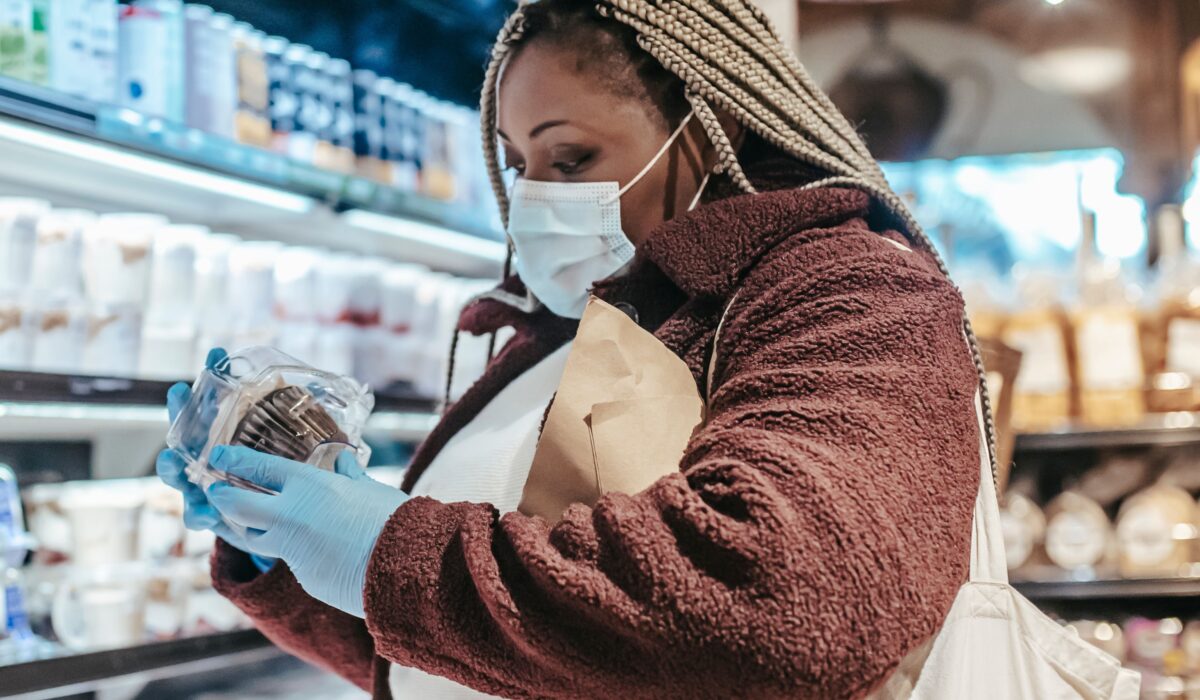
- Verify Product Codes: When a recall is announced, always check the specific product codes, lot numbers, and expiration dates on items in your home. These details are critical for accurate identification.
- Do Not Rely on Brand Name Alone: Different batches or specific sizes of a product might be affected, even if the general brand is not.
- Safe Handling and Disposal:
- Do Not Consume Recalled Products: If you identify a recalled item, do not eat it or feed it to pets. Even small amounts can cause illness.
- Proper Disposal: Follow recall instructions for disposal, which often involve securing the product in a sealed bag before discarding it in a trash can inaccessible to pets and children.
- Return for Refund: Many retailers offer full refunds for recalled items, even without a receipt.
- Practice Good Food Hygiene: Even when no recalls are active, always follow the CDC’s four core food safety practices: clean, separate, cook, and chill. This minimizes the risk of foodborne illness outbreaks from other sources. For more on preventative measures, consider resources like the 2026 Public Health Campaigns: 7 Essential Strategies.
The short answer is that proactive engagement with food safety alerts and careful verification of products are non-negotiable for consumer protection. As the News Express Editorial Team, we advocate for these diligent practices to ensure your household remains safe from the risks associated with food safety recalls 2026.
Frequently Asked Questions
What is the latest food recall?
The latest food recall is continuously updated by federal agencies, covering products like produce, meats, or packaged goods. For the most current information, consult the official recall pages of the FDA and USDA, which provide real-time updates on food safety recalls 2026. Always check specific product identifiers like lot numbers and expiration dates for accuracy.
What foods are currently recalled in 2026?
Foods currently recalled in 2026 vary widely, often including items like leafy greens, dairy products, or processed snacks due to issues like bacterial contamination or undeclared allergens. The FDA reported that undeclared allergens accounted for approximately 40% of food recalls in 2025. Consumers should check FoodSafety.gov for an aggregated list of all current food safety recalls 2026.
How do you know if a food is recalled?
You know if a food is recalled by checking official government websites like the FDA and USDA, subscribing to food safety alerts, or monitoring news reports. The USDA’s FSIS issues recalls for meat, poultry, and egg products, while the FDA covers most other food categories. Always match product codes and dates from the recall notice to items in your possession.
What is the most common reason for food recalls?
The most common reason for food recalls is undeclared allergens, which consistently lead to the highest number of food safety recalls. This poses a significant risk to individuals with allergies, potentially causing severe reactions. Bacterial contamination, such as Salmonella or Listeria, is another prevalent cause, according to data from the CDC (2024).
What is the biggest food recall in US history?
The biggest food recall in US history was the 2008 recall of contaminated peanut products linked to a Salmonella outbreak, affecting over 4,000 products from hundreds of companies. This massive event highlighted critical gaps in food safety oversight and led to widespread food safety recalls. It underscored the profound impact a single contaminated ingredient can have on the entire food supply chain.
Navigating the landscape of food safety recalls 2026 requires constant vigilance and access to reliable information. By utilizing official government resources like the FDA, USDA, and FoodSafety.gov, and adopting proactive consumer habits, you can effectively protect your household. Staying informed about current food recalls 2026 is not just a recommendation; it is an essential aspect of public health and consumer protection. Make it a routine to check for food safety alerts and verify your products to ensure your family’s well-being.