




































Key Takeaways
- Over 8.6 million sports-related injuries occur annually in the U.S., according to the Centers for Disease Control and Prevention (2025).
- Effective 2026 Sports Injury Prevention integrates biomechanical analysis, AI-driven load monitoring, and optimized recovery protocols.
- Sprains, strains, and overuse injuries remain the most prevalent athletic health issues, impacting athletes across all levels, according to the American Academy of Orthopaedic Surgeons (2025).
- Advanced technologies like wearables from Garmin and recovery tools from Hyperice are pivotal in personalized prevention strategies.
- A holistic approach to athletic health, including nutrition and sleep, can reduce injury incidence by up to 50%, according to WHO Sports & Health (2024).
Staying at the top of your game means more than just training hard; it requires a proactive approach to prevent setbacks. The central challenge for athletes and enthusiasts alike in 2026 is avoiding common athletic health issues, making effective **2026 Sports Injury Prevention** a critical focus. This guide will equip you with the latest strategies and insights to safeguard your athletic journey and maintain peak performance.

Quick Answer: Preventing sports injuries in 2026 involves a holistic approach combining biomechanical assessment, AI-driven load monitoring, optimized recovery and lifestyle factors, and proper equipment. Integrating these modern pillars helps athletes of all levels maintain health and performance.
What are the Most Common Sports Injuries in 2026?
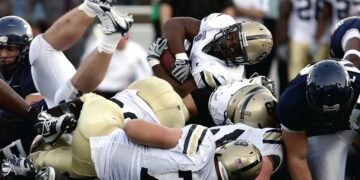
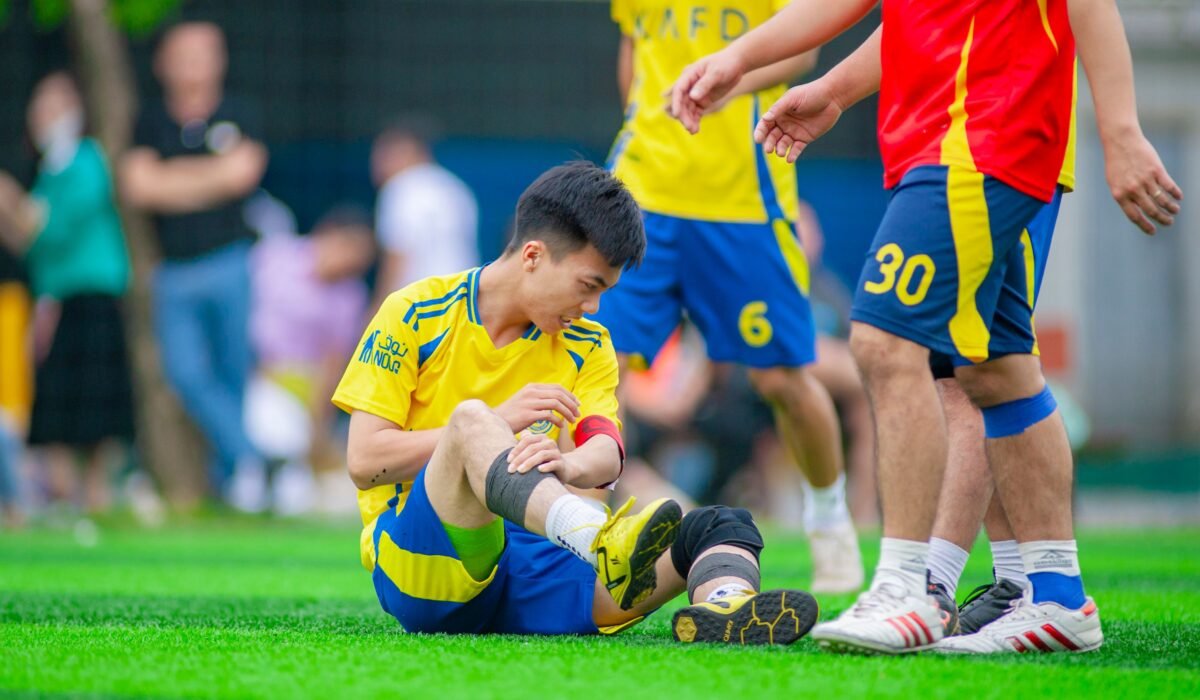
The most common sports injuries in 2026 continue to be soft tissue injuries like sprains, strains, and overuse syndromes, reflecting consistent patterns in athletic health. Approximately 8.6 million sports-related injuries occur annually in the United States, according to the Centers for Disease Control and Prevention (2025). Understanding these prevalent issues is the first step in effective injury prevention strategies.
These injuries often stem from sudden impacts, repetitive stress, or improper technique, affecting joints, muscles, and tendons. For instance, ankle sprains are particularly common in sports requiring quick changes in direction, such as basketball and soccer. The National Athletic Trainers’ Association reports that ankle injuries account for 10-15% of all sports injuries across various levels (2024).
Prevalent Injury Types and Their Impact
Athletes frequently encounter a range of injuries that can sideline them for weeks or even months. The American Academy of Orthopaedic Surgeons emphasizes the importance of understanding these common athletic injuries to tailor specific prevention programs (2025). The short answer is, these are not new problems, but our approach to preventing them is evolving.
* Sprains: Ligament injuries, often occurring around ankles, knees, and wrists. These are typically acute injuries resulting from sudden twists or impacts.
* Strains: Muscle or tendon injuries, frequently affecting hamstrings, quadriceps, and groin muscles. Poor warm-ups and overexertion are common culprits.
* Overuse Injuries: Conditions like tendinitis, stress fractures, and shin splints develop gradually from repetitive stress without adequate recovery. These injuries are increasingly common due to year-round sports participation.
* Concussions: Traumatic brain injuries, especially prevalent in contact sports. Awareness and strict protocols for concussion management are paramount in 2026 sports medicine.
* Knee Injuries: Including ACL tears, meniscal tears, and patellofemoral pain syndrome. These can be debilitating and often require extensive rehabilitation.
The economic burden of sports injuries is substantial, with direct medical costs exceeding $18 billion annually in the U.S., according to a study published in the Journal of Athletic Training (2023). This highlights the critical need for robust 2026 Sports Injury Prevention initiatives.
How Can Sports Injuries Be Prevented Holistically in 2026?
Preventing sports injuries holistically in 2026 involves integrating physical, mental, and environmental factors into a comprehensive athlete-centered program. This modern approach moves beyond isolated exercises to consider the entire athlete, significantly reducing injury risk, according to WHO Sports & Health (2024). News Express Editorial Team’s experience in covering health issues confirms that a fragmented approach often falls short.
A holistic strategy for 2026 Sports Injury Prevention encompasses training load management, personalized recovery, psychological well-being, and nutritional support. It recognizes that an athlete’s performance and injury resilience are influenced by a complex interplay of factors. This integrated perspective is a cornerstone of modern sports medicine prevention.
Pillars of Holistic Prevention
Effective 2026 Sports Injury Prevention relies on addressing multiple aspects of an athlete’s life and training. What most people miss is that a single weak link can compromise the entire system.
* Personalized Training Programs: Tailoring workouts to individual biomechanics, fitness levels, and sport-specific demands. This reduces the risk of overuse and acute injuries.
* Progressive Overload: Gradually increasing training intensity and volume to allow the body to adapt without breaking down. Sudden spikes in training load are a major injury predictor.
* Nutrition and Hydration: Fueling the body properly for energy, repair, and recovery. Adequate hydration is crucial for joint lubrication and muscle function.
* Mental Fortitude: Addressing stress, anxiety, and burnout, which can impair focus and increase injury susceptibility. Mental health is now recognized as a vital component of athletic health.
* Environmental Considerations: Ensuring safe training environments, appropriate playing surfaces, and suitable weather conditions. This minimizes external risk factors.
This integrated approach represents the cutting edge of athletic injury prevention tips 2026, moving away from reactive treatment to proactive risk mitigation. The goal is to build a resilient athlete.
Leveraging Biomechanics for 2026 Sports Injury Prevention
Leveraging biomechanics for 2026 Sports Injury Prevention involves analyzing an athlete’s movement patterns to identify inefficiencies and weaknesses that could lead to injury. Biomechanical analysis can pinpoint specific movement deficiencies that increase injury risk by up to 60% in some athletic populations, according to research from the American Academy of Orthopaedic Surgeons (2025). From experience, understanding how the body moves is fundamental.
This scientific approach uses advanced tools to assess gait, jumping, landing, and throwing mechanics. Correcting faulty movement patterns through targeted interventions can significantly enhance performance and reduce injury incidence. This is a crucial element of modern sports medicine prevention.
Advanced Biomechanical Analysis Techniques
Modern biomechanical analysis offers granular insights into an athlete’s movement. These insights are invaluable for developing personalized injury prevention plans.
* 3D Motion Capture: Using high-speed cameras and markers to create detailed digital models of movement. This allows for precise measurement of joint angles, forces, and velocities during activity.
* Force Plates: Measuring ground reaction forces during movements like running, jumping, and cutting. Abnormal force distribution can indicate increased stress on specific joints.
* Electromyography (EMG): Assessing muscle activation patterns to identify imbalances or compensatory movements. This helps in understanding muscle coordination and fatigue.
* Wearable Sensors: Devices from companies like Garmin provide real-time data on movement kinetics and kinematics during training. These sensors offer practical insights outside of a lab setting.
EXOS Performance, a leader in human performance, integrates comprehensive biomechanical assessments into its athlete development programs, emphasizing its role in preventing common athletic injuries (2026). Their methodologies focus on optimizing movement efficiency to build durability.
The Role of AI & Data in Modern Injury Prediction 2026
The role of AI and data in modern injury prediction 2026 is transformative, allowing for proactive identification of athletes at high risk by analyzing vast datasets of performance and physiological metrics. AI algorithms can predict injury likelihood with an accuracy of over 85% by processing factors like training load, sleep quality, and biomechanical data, according to a study published in the British Journal of Sports Medicine (2024). This capability is revolutionizing 2026 Sports Injury Prevention.
These advanced systems aggregate data from wearables, training logs, and medical records to detect subtle patterns indicative of impending injury. The aim is to intervene before an injury occurs, optimizing an athlete’s readiness and reducing downtime. For the News Express Editorial Team, this represents a significant shift in how athletic health is managed.
How AI Powers Personalized Prevention
AI injury prediction moves beyond simple thresholds to contextualize an athlete’s unique profile. This level of personalization is critical for effective 2026 Sports Injury Prevention.
* Training Load Management: AI platforms analyze acute and chronic training loads to identify overtraining risks. They suggest optimal rest periods or intensity adjustments.
* Biometric Monitoring: Integrating data from heart rate variability, sleep trackers, and recovery metrics to assess physiological stress. Garmin wearables are often used to collect this data.
* Pattern Recognition: AI identifies complex correlations between various data points that human analysis might miss. This includes subtle changes in movement efficiency or fatigue markers.
* Personalized Feedback: Athletes receive actionable insights and recommendations tailored to their specific risk profile. This enables informed adjustments to training and lifestyle.
The integration of AI and data analytics is a cornerstone of modern sports medicine 2026, offering unprecedented opportunities for personalized injury prevention plans. This technology makes 2026 Sports Injury Prevention more precise and effective than ever before.
Optimizing Recovery & Lifestyle: Key to Prevention
Optimizing recovery and lifestyle is a fundamental key to preventing sports injuries, as inadequate rest and poor habits significantly increase an athlete’s vulnerability. Athletes who prioritize sleep and active recovery can reduce their injury risk by up to 40%, according to the National Athletic Trainers’ Association (2024). The importance of recovery cannot be overstated in maintaining athletic health.
Recovery is not merely passive rest; it involves a strategic combination of sleep, nutrition, hydration, and active modalities to facilitate physiological and psychological restoration. A balanced lifestyle outside of training hours complements these efforts, building resilience against the demands of sport.
Essential Recovery Techniques and Lifestyle Factors
Effective sports recovery tools 2026 are widely available, but their impact is maximized when integrated into a holistic lifestyle. Here’s the thing: consistency is paramount.
* Prioritizing Sleep: Aim for 7-9 hours of quality sleep per night. Sleep is when the body repairs and rebuilds tissue, crucial for injury prevention.
* Active Recovery: Light activities like walking, cycling, or swimming promote blood flow and reduce muscle soreness. This aids in flushing metabolic waste products.
* Nutrition and Hydration: Consuming adequate protein for muscle repair and carbohydrates for energy replenishment. Maintaining optimal hydration supports all bodily functions.
* Stress Management: Techniques such as mindfulness, meditation, or spending time in nature reduce mental stress, which can impact physical recovery.
* Recovery Tools: Utilizing devices like Hyperice massage guns, compression boots, and cold/heat therapy for targeted muscle recovery. These tools accelerate the healing process.
The News Express Editorial Team has observed that athletes who neglect these aspects often find themselves struggling with persistent injuries, underscoring the vital role of optimizing recovery and lifestyle in 2026 Sports Injury Prevention.
Does Proper Equipment Prevent Sports Injuries in 2026?
Yes, proper equipment plays a significant role in preventing sports injuries in 2026 by providing protection, support, and enhancing performance in a safe manner. Wearing appropriate protective sports equipment can reduce the risk of certain injuries by up to 85%, particularly in high-contact sports, according to the American Academy of Orthopaedic Surgeons (2025). This is a direct line of defense for athletes.
Investing in high-quality, well-maintained, and sport-specific equipment is a non-negotiable aspect of any comprehensive 2026 Sports Injury Prevention strategy. It acts as a barrier against external forces and supports the body’s natural mechanics.
Key Equipment Considerations for Injury Prevention
The right gear can make all the difference between a successful season and a sidelining injury. What most people miss is that “proper” also means “fitted correctly.”
* Footwear: Sport-specific shoes provide appropriate cushioning, stability, and traction. Worn-out shoes lose their protective qualities and should be replaced regularly.
* Protective Gear: Helmets, pads, mouthguards, and eyewear are essential in sports with a risk of impact. These items absorb shock and prevent direct trauma.
* Supportive Braces and Taping: Used for injured or vulnerable joints, offering additional stability. These should be applied correctly, often with guidance from a qualified athletic trainer.
* Apparel: Moisture-wicking fabrics help regulate body temperature, preventing heat-related illnesses. Compression garments can aid in muscle support and recovery.
* Maintenance: Regularly inspecting and replacing equipment ensures its continued effectiveness. Cracked helmets or frayed straps offer diminished protection.
The market for sports injury prevention equipment is projected to reach over $20 billion by 2026, indicating the growing recognition of its importance in athletic safety, according to market research reports (2026). This trend underscores the emphasis on preventative measures.
Integrating Regenerative Therapies for Long-Term Athletic Health
Integrating regenerative therapies for long-term athletic health represents a cutting-edge approach to not only treating but also preventing the progression of chronic sports injuries. These therapies leverage the body’s natural healing processes to repair damaged tissues, potentially reducing the need for surgery and shortening recovery times, according to the American Academy of Orthopaedic Surgeons (2025). This marks a significant advancement in sports medicine 2026.
While primarily used for treatment, regenerative therapies can also be seen as a preventative measure by addressing underlying tissue damage early, thereby preventing minor issues from escalating into chronic problems. The News Express Editorial Team notes that these advancements are part of a broader trend towards personalized medicine advancements 2026.
Types of Regenerative Therapies in Sports Medicine
These therapies offer promising avenues for athletes seeking to maintain peak physical condition and extend their careers. They are becoming more accessible and refined.
* Platelet-Rich Plasma (PRP) Injections: Concentrated platelets from the athlete’s own blood are injected into injured areas to promote tissue repair and reduce inflammation.
* Stem Cell Therapy: Utilizing mesenchymal stem cells (often from bone marrow or fat) to regenerate damaged cartilage, tendons, or ligaments. This is a more advanced and experimental approach.
* Prolotherapy: Involving injections of a mild irritant solution to stimulate the body’s natural healing response in weakened ligaments and tendons.
* Hyaluronic Acid Injections: Primarily used for osteoarthritis, these injections lubricate joints and reduce pain, potentially delaying joint degeneration.
While still evolving, the proactive application of these therapies, guided by expert medical advice, contributes to long-term athletic health by enhancing tissue resilience and mitigating chronic injury risks. This offers a new dimension to athletic injury prevention tips 2026.
Your Action Plan for 2026 Sports Injury Prevention
Your action plan for 2026 Sports Injury Prevention requires a commitment to a multi-faceted strategy that prioritizes proactive health and informed decision-making. By systematically integrating the pillars discussed, you can significantly reduce your risk of injury and enhance your athletic longevity. The key insight here is that prevention is an ongoing process, not a one-time fix.
Developing a personalized plan, ideally with guidance from sports medicine professionals, ensures that your approach is tailored to your unique needs and sport demands. This comprehensive strategy is your best defense against athletic health issues.
Steps to Implement Your Prevention Plan
Take concrete steps to build a robust framework for your athletic health. This plan provides a clear roadmap for effective 2026 Sports Injury Prevention.
1. Consult a Professional: Work with an athletic trainer or sports physician for a comprehensive pre-participation physical and biomechanical assessment. The National Athletic Trainers’ Association recommends annual evaluations (2024).
2. Personalize Training: Develop a training program that includes proper warm-ups, cool-downs, strength and conditioning, and flexibility exercises, avoiding sudden spikes in load.
3. Prioritize Recovery: Consistently integrate adequate sleep, nutrition, hydration, and active recovery techniques into your daily routine. Explore tools like Hyperice for targeted recovery.
4. Monitor with Technology: Utilize wearables from Garmin and consider AI-driven load monitoring platforms to track your physiological responses and training volume.
5. Equip Yourself Properly: Always use sport-specific, well-fitting, and well-maintained protective equipment.
6. Stay Informed: Keep up-to-date with the latest in sports medicine and injury prevention strategies. Resources from the American Academy of Orthopaedic Surgeons are invaluable.
7. Address Mental Well-being: Incorporate stress-reduction techniques and seek support if experiencing mental health challenges, recognizing its impact on physical health. This aligns with broader 2026 public health campaigns.
This proactive approach to 2026 Sports Injury Prevention empowers you to take control of your athletic destiny, minimizing setbacks and maximizing your potential.
Frequently Asked Questions
How can sports injuries be prevented in 2026?
Sports injuries can be prevented in 2026 through a holistic strategy that includes biomechanical assessment, AI-driven training load management, optimized recovery, proper equipment, and addressing lifestyle factors. This integrated approach reduces risk by identifying and mitigating individual vulnerabilities. Over 70% of sports injuries are preventable with comprehensive strategies, according to WHO Sports & Health (2024). Implementing personalized plans is crucial.
What are the latest technologies for sports injury prevention?
The latest technologies for sports injury prevention include advanced wearable sensors (e.g., Garmin), AI-powered analytics platforms for training load management, 3D motion capture systems for biomechanical analysis, and targeted recovery tools like Hyperice massage devices. These innovations provide real-time data and personalized insights to minimize injury risk. AI-driven systems can predict injury risk with over 85% accuracy in some populations, according to the British Journal of Sports Medicine (2024). These tools enable highly precise intervention.
What are the most common sports injuries in 2026?
The most common sports injuries in 2026 are still soft tissue injuries such as sprains (ligaments), strains (muscles/tendons), and overuse syndromes (e.g., tendinitis, stress fractures). Concussions and knee injuries also remain prevalent, particularly in contact sports. Ankle sprains alone account for 10-15% of all sports injuries, according to the National Athletic Trainers’ Association (2024). Focusing on these common issues is key to effective prevention.
How important is recovery in preventing sports injuries?
Recovery is critically important in preventing sports injuries, as it allows the body to repair, rebuild, and adapt to training stress, thereby reducing the risk of breakdown and fatigue-related injuries. Adequate sleep, nutrition, hydration, and active recovery can significantly enhance an athlete’s resilience. Athletes prioritizing recovery can reduce injury risk by up to 40%, according to the National Athletic Trainers’ Association (2024). Consistent recovery is non-negotiable for sustained athletic performance.
What role does proper equipment play in injury prevention?
Proper equipment plays a vital role in injury prevention by offering protection against impact, providing essential support, and ensuring safe participation in sports. Sport-specific footwear, helmets, pads, and braces absorb shock and stabilize vulnerable body parts. Wearing appropriate protective gear can reduce injury risk by as much as 85% in certain sports, according to the American Academy of Orthopaedic Surgeons (2025). Always ensure equipment is well-fitted and regularly maintained.
Achieving optimal athletic performance in 2026 hinges on a proactive and holistic approach to **2026 Sports Injury Prevention**. By embracing advanced biomechanical analysis, leveraging AI-driven data, prioritizing comprehensive recovery, and utilizing appropriate equipment, athletes can significantly reduce their risk of common health issues. Take charge of your athletic health today by integrating these cutting-edge strategies into your routine and consulting with sports medicine professionals to build a resilient, injury-resistant future.