












China’s most extensive military exercises surrounding Taiwan in recent months may serve as more than just saber-rattling against the self-governed island. Defense analysts suggest these dramatic displays of force are actually deflecting attention from significant upheaval within the Chinese Communist Party’s military leadership structure.

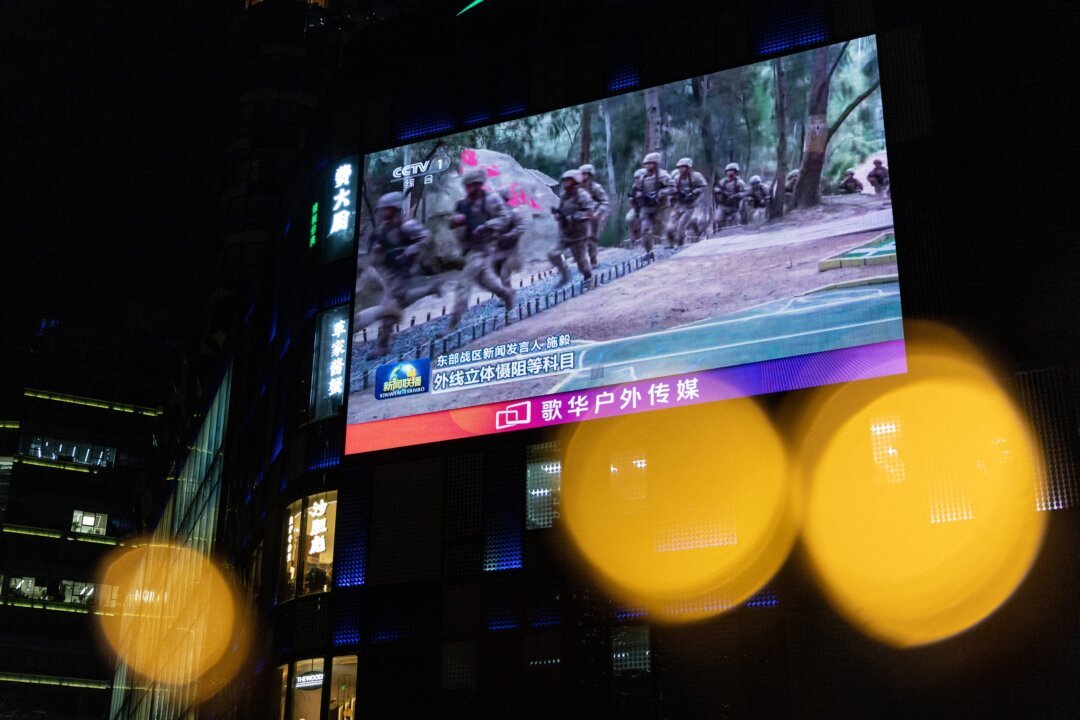
On December 29, just days before the New Year holiday, China’s People’s Liberation Army launched comprehensive live-fire drills in waters surrounding Taiwan. The Eastern Theater Command deployed an impressive arsenal including destroyers, strategic bombers, unmanned aerial vehicles, and amphibious assault ships in what military officials described as combat readiness tests focused on blockade tactics and control of critical ports and strategic areas.
The timing and scale of these operations have raised eyebrows among regional security experts, who point to mounting evidence of internal discord within China’s military hierarchy. Recent months have witnessed an unprecedented purge of senior military officials, with multiple high-ranking officers removed from their positions amid what Beijing characterizes as anti-corruption efforts.
The military exercises represent a significant escalation in China’s demonstration of force projection capabilities around Taiwan, which Beijing considers a breakaway province despite the island’s democratic government and de facto independence. The drills involved coordinated operations across multiple domains, testing the military’s ability to execute complex amphibious and aerial operations simultaneously.
Defense analysts monitoring the situation suggest these high-profile military maneuvers serve a dual purpose for Chinese leadership. While projecting strength externally toward Taiwan and its international supporters, the exercises may also function as a distraction from internal instability plaguing the Communist Party’s military command structure.
The recent removal of several senior military officials has created uncertainty within China’s defense establishment. This internal turbulence comes at a particularly sensitive time as Beijing seeks to modernize its armed forces and project power beyond its immediate borders.
Regional tensions have escalated significantly as China continues to assert its territorial claims through increasingly aggressive military posturing. The latest exercises demonstrate Beijing’s growing confidence in its military capabilities while simultaneously raising concerns about potential miscalculation in the volatile Taiwan Strait region.
International observers note that these military displays often coincide with periods of domestic political pressure within China, suggesting a deliberate strategy to redirect public attention toward external nationalist objectives rather than internal governance challenges.
The exercises underscore the complex relationship between China’s domestic political dynamics and its external military posturing, particularly regarding Taiwan. As Beijing continues to face internal leadership challenges, these dramatic military demonstrations may become an increasingly common tool for maintaining political stability and projecting unified strength both domestically and internationally.