





































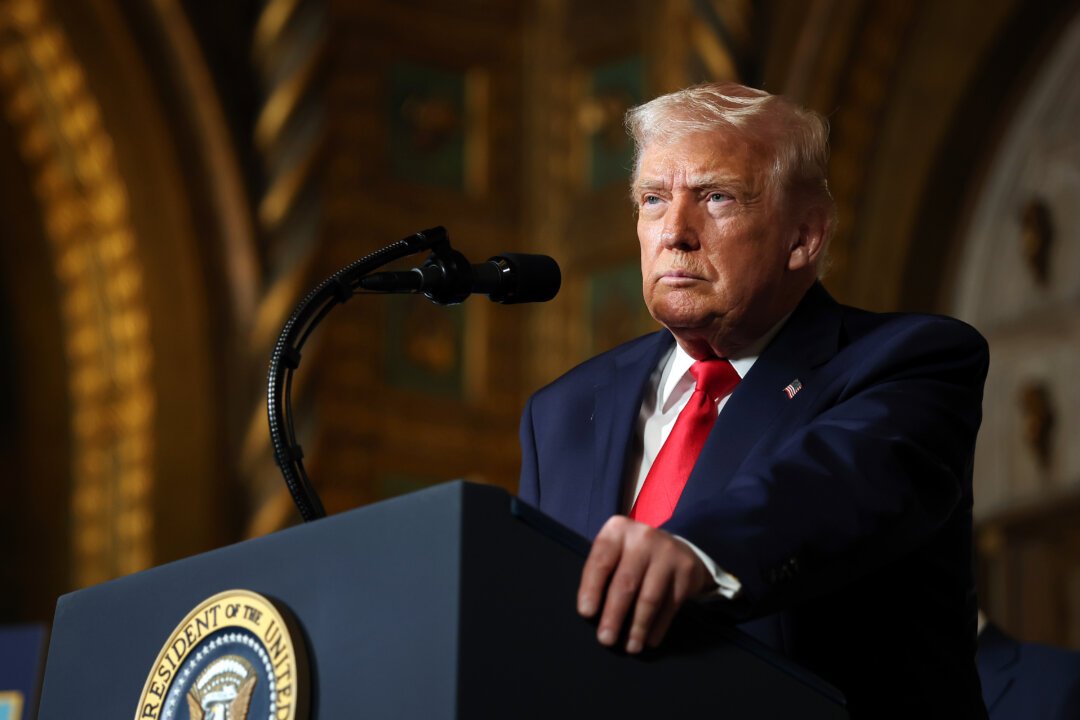
In a decisive move to protect American technological assets, President Donald Trump has ordered the immediate cancellation of a Chinese-controlled company’s acquisition of critical U.S. semiconductor facilities, marking another escalation in the ongoing tech rivalry between the two superpowers.

The presidential order, issued Friday, specifically targets HieFo Corporation’s purchase of digital chip manufacturing and wafer fabrication assets from Emcore Corp., a transaction that was completed on April 30, 2024. The Delaware-based HieFo, which operates under the control of a Chinese citizen, now faces a strict 180-day deadline to completely divest all semiconductor-related assets it acquired during 2024.
The directive represents a significant intervention in what appeared to be a completed business transaction, underscoring the Trump administration’s heightened scrutiny of foreign investments in America’s semiconductor industry. The order explicitly prohibits HieFo from maintaining ownership of “the assets comprising the digital chips and related wafer design, fabrication, and processing businesses” that were originally owned by the New Jersey-based Emcore Corporation.
This latest action reflects the administration’s broader strategy to safeguard America’s technological superiority in the semiconductor sector, which has become increasingly vital to national security and economic competitiveness. The chip industry serves as the backbone for everything from military defense systems to consumer electronics, making foreign control of such assets a potential vulnerability in the eyes of U.S. security officials.
The timing of Trump’s intervention is particularly notable, coming more than eight months after the original transaction closed. This suggests that ongoing security reviews revealed concerns that weren’t immediately apparent during the initial acquisition process, or that the administration has adopted an increasingly aggressive stance toward Chinese involvement in sensitive American industries.
HieFo Corporation now finds itself in a challenging position, forced to unwind what was presumably a strategic investment in American semiconductor capabilities. The company must navigate the complex process of divesting these assets while operating under the watchful eye of U.S. regulators who have already deemed the acquisition contrary to national security interests.
The semiconductor industry has emerged as a key battleground in U.S.-China relations, with both nations recognizing the strategic importance of controlling advanced chip manufacturing capabilities. American policymakers have expressed growing concerns about potential supply chain vulnerabilities and the risk of sensitive technologies falling into foreign hands, particularly those of strategic competitors.
This forced divestiture adds to a growing list of Chinese investments in American technology companies that have faced regulatory obstacles or outright prohibition under national security provisions. The move signals that the Trump administration is prepared to take retroactive action against acquisitions that may have initially passed regulatory scrutiny but later raised security flags.
For Emcore Corp., the original seller, the situation creates uncertainty about the future ownership and operation of assets it divested nearly a year ago. The New Jersey-based company must now watch as its former semiconductor operations become the subject of a high-stakes geopolitical dispute.
The 180-day divestiture timeline creates additional pressure on all parties involved, as HieFo must find suitable buyers for sophisticated semiconductor assets while ensuring compliance with U.S. national security requirements. This process will likely involve extensive vetting of potential purchasers to prevent the assets from once again ending up under foreign control deemed problematic by American authorities.
As the semiconductor industry continues to be a focal point of international competition and security concerns, Trump’s latest action demonstrates that completed transactions are not immune from future government intervention when national security considerations are deemed paramount.