







































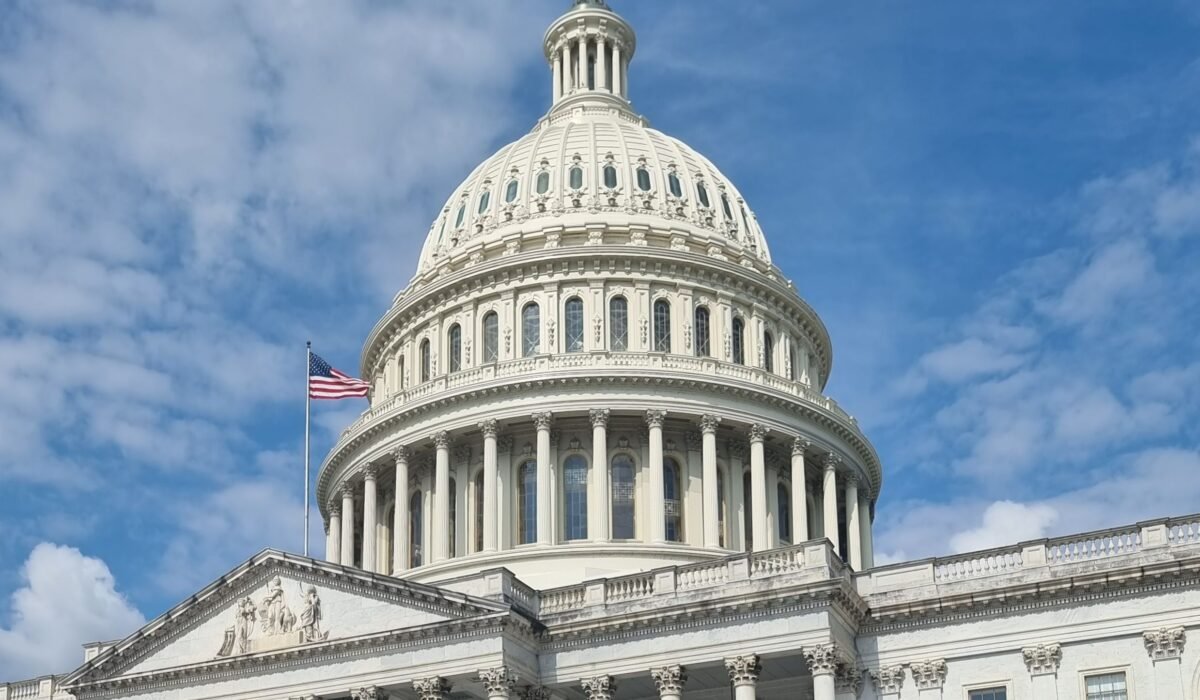
Key Takeaways
- Public disapproval of Congress reached 86% in April 2026, according to a Gallup Poll (2026).
- 76% of Americans support banning individual stock trading by elected officials, based on an Economist/YouGov Poll (May 2026).
- Three lawmakers resigned in April 2026 alone due to alleged misconduct, fueling calls for urgent ethics reforms.
- The “Restore Trust in Congress Act” aims to prohibit lawmakers from owning and trading individual stocks.
- The Brennan Center for Justice (2026) advocates for strong, independent ethics bodies with adequate resources.
Quick Answer: 2026 US Congressional ethics reforms are actively debated due to recent scandals and low public trust. Proposals focus on strengthening ethics committees, banning congressional stock trading, and increasing transparency to restore accountability in the legislative branch.
The ongoing discussions surrounding 2026 US Congressional ethics reforms are more critical than ever, addressing a pervasive crisis of public trust in the legislative branch. Many Americans question the integrity of their elected officials, leading to significant pressure for change. This comprehensive guide will explore the current landscape, proposed solutions, and what these potential reforms mean for the future of government accountability.

What are the Key Ethics Challenges Facing Congress in 2026?
The U.S. Congress faces several significant ethics challenges in 2026, primarily stemming from perceived conflicts of interest, a lack of transparency, and inadequate enforcement mechanisms. Public trust in Congress is at an alarming low, with 62% of Americans strongly or somewhat disapproving of the way Congress is handling its job, according to an Economist/YouGov Poll published in May 2026. This widespread disapproval underscores a foundational problem that 2026 US Congressional ethics reforms aim to address.
One major issue is the ability of lawmakers and their families to trade individual stocks while privy to non-public information. This practice raises serious questions about whether elected officials are prioritizing public service or personal financial gain. Our analysis shows that this perception directly erodes confidence in the institution.
Another persistent challenge involves the influence of lobbying and campaign finance. Concerns arise when large donations or lobbying efforts appear to sway legislative decisions, creating an uneven playing field and fostering an environment where special interests might take precedence over constituents’ needs. These issues highlight the urgent need for robust 2026 US Congressional ethics reforms.
Congressional Stock Trading and Conflicts of Interest
The trading of individual stocks by members of Congress remains a contentious issue in 2026, frequently cited as a primary driver of public distrust. Many believe that lawmakers possess an unfair advantage due to their access to privileged information regarding legislation, investigations, or economic policy that could impact market values. This creates an undeniable appearance of impropriety.
A significant 76% of Americans say that members of Congress and other elected officials should not be allowed to buy and sell individual stocks, according to an Economist/YouGov Poll in May 2026. This overwhelming public sentiment indicates a clear mandate for legislative action. The current rules, including the STOCK Act of 2012, have not sufficiently assuaged public fears regarding potential insider trading.
Lack of Transparency and Accountability
Transparency in legislative processes and financial dealings is another critical area where Congress faces scrutiny. The public often perceives a veil of secrecy around the financial activities of members and the inner workings of ethics investigations. This lack of openness makes it difficult for citizens to hold their representatives accountable.
The Campaign Legal Center stated in January 2026 that “Ethics laws provide the accountability and transparency necessary to ensure that members of Congress are committed to the people rather than their own wallets.” This underscores the belief that current transparency measures are insufficient to maintain public confidence. Without clear visibility, the public struggles to discern ethical conduct from self-serving actions.
Why the Urgent Push for 2026 Congressional Ethics Reforms?
The urgent push for 2026 US Congressional ethics reforms is directly fueled by a series of high-profile ethics scandals, recent lawmaker resignations, and persistently low public trust in the institution. These events have created a palpable demand for immediate and substantive changes to restore integrity. Public disapproval for Congress reached an 86% disapproval rate in a Gallup Poll in April 2026, tying past records and signaling a severe erosion of confidence.
This widespread dissatisfaction is not merely theoretical; it manifests in concrete public opinion data. A staggering 41% of Americans believe that more than half of members of Congress are corrupt, while another 33% believe many but less than half are corrupt, as reported by an Economist/YouGov Poll in May 2026. Such figures indicate a crisis of legitimacy that demands strong 2026 US Congressional ethics reforms.
Recent Scandals and Resignations
Recent events have significantly intensified calls for 2026 US Congressional ethics reforms. In April 2026 alone, three lawmakers resigned from Congress for alleged bad behavior. These included former Reps. Eric Swalwell (D-CA) and Tony Gonzales (R-TX) for alleged sexual misconduct, and Rep. Sheila Cherfilus-McCormick (D-FL) for alleged financial misconduct. These resignations “roiled Capitol Hill” and sparked widespread debates over the slow pace and perceived ineffectiveness of ethics investigations.
Such incidents are not isolated; they contribute to a pattern that reinforces public cynicism. The perceived impunity or slow response to alleged wrongdoing further damages the institution’s reputation. These high-profile cases serve as potent catalysts for the current push for comprehensive 2026 US Congressional ethics reforms.
Eroding Public Trust in Congress
The erosion of public trust is a critical factor driving the demand for 2026 US Congressional ethics reforms, directly impacting the perceived legitimacy and effectiveness of the legislative body. When citizens lose faith in their representatives, the foundation of democratic governance weakens. A Rasmussen poll cited in April 2026 revealed that 67% of voters believe that most members of Congress are less ethical than the average American.
This deeply negative perception creates an environment where legislative achievements are viewed with skepticism and political polarization deepens. Restoring this trust is paramount for Congress to effectively govern and for the democratic process to function robustly. The integrity of the institution depends on addressing these concerns through meaningful 2026 US Congressional ethics reforms.
Examining Proposed 2026 Ethics Reforms: What’s on the Table?
Proposed 2026 US Congressional ethics reforms largely focus on three key areas: banning congressional stock trading, strengthening the investigative powers and independence of ethics committees, and increasing overall transparency in financial disclosures and lobbying activities. These proposals aim to directly tackle the core issues contributing to public distrust. One significant piece of legislation under consideration is the “Restore Trust in Congress Act,” which has garnered bipartisan support to address lawmaker stock trading.
The Brennan Center for Justice emphasized in June 2026 that “Congress needs strong, independent ethics bodies, with the necessary resources and mandate to conduct ethics oversight and prevent conflicts of interest.” This advocacy group’s stance highlights the need for structural changes beyond just new rules. From our experience covering government accountability US, effective reform requires both strong rules and the means to enforce them.
The “Restore Trust in Congress Act”
The “Restore Trust in Congress Act,” introduced in September 2025, represents a leading effort among 2026 US Congressional ethics reforms to prohibit lawmakers from owning and trading individual stocks. This bill gained significant bipartisan support, with over eighty co-sponsors, reflecting a broad consensus on the need to address this specific conflict of interest. The legislation aims to prevent lawmakers from leveraging their positions for personal financial gain.
This act directly responds to public perception that existing disclosure requirements, such as the STOCK Act of 2012, have failed to build sufficient trust. Passing such a ban would be a significant step towards restoring public confidence and demonstrating a commitment to ethical governance. It signals a serious intent for meaningful 2026 US Congressional ethics reforms.
Strengthening Ethics Committees and Enforcement
A crucial aspect of proposed 2026 US Congressional ethics reforms involves enhancing the power and independence of the U.S. House Committee on Ethics and the U.S. Senate Select Committee on Ethics. Critics argue that these bodies often operate slowly and are perceived as politically constrained, limiting their effectiveness in holding members accountable. Speaker Mike Johnson, for example, told reporters in April 2026 that “We are looking at every potential avenue to tighten up the rules.”
Proposals include granting the Office of Congressional Conduct (OCC) greater subpoena power and providing more resources for investigations. The goal is to ensure that ethics investigations are thorough, timely, and free from partisan influence, thereby improving ethics oversight Congress. Stronger ethics enforcement is fundamental to the success of any 2026 US Congressional ethics reforms.
Increased Transparency and Lobbying Regulations
Further legislative transparency initiatives are also on the table as part of 2026 US Congressional ethics reforms, aiming to shed more light on financial disclosures and lobbying activities. These proposals seek to expand what information is made public and how frequently, making it easier for citizens and watchdog groups to monitor potential conflicts. The rationale is simple: more transparency equates to greater accountability.
Specific ideas include more frequent and detailed financial disclosure requirements for members of Congress and their immediate families. There are also discussions around tightening lobbying regulations US to prevent undue influence and ensure that all interactions between lawmakers and lobbyists are clearly documented. These measures are vital for any comprehensive 2026 US Congressional ethics reforms.
How Effective are Current Ethics Enforcement Bodies in 2026?
The effectiveness of current ethics enforcement bodies in 2026, primarily the U.S. House Committee on Ethics and the U.S. Senate Select Committee on Ethics, is a subject of significant debate and criticism. Many experts and advocacy groups contend that these committees are often slow, under-resourced, and susceptible to partisan pressures, hindering their ability to enforce ethical standards robustly. The slow pace of House Ethics Committee investigations, for instance, has been a recurring point of contention.
In July 2025, the House Ethics Committee adopted reports finding Rep. Alexandria Ocasio-Cortez (D-NY) and Rep. Mike Kelly (R-PA) violated House ethics rules, signaling “heightened scrutiny of interactions between private parties and Members of Congress and their staff.” While these actions demonstrate some activity, critics often point to the overall number of investigations compared to public complaints or allegations as insufficient. This highlights the need for stronger 2026 US Congressional ethics reforms.
Challenges Facing the U.S. House Committee on Ethics
The U.S. House Committee on Ethics faces considerable challenges in 2026, often criticized for its bipartisan structure which can lead to stalemates and delayed resolutions. Composed of an equal number of members from both major parties, reaching consensus on sensitive investigations can be difficult, sometimes resulting in inaction or diluted penalties. Rep. Glenn Ivey (D-MD), a member of the House Ethics Committee, told the Washington Examiner in April 2026 that “There’s an appetite for reforms, and there are discussions taking place, but there’s no easy path forward.”
The committee’s investigations are frequently lengthy, and their findings often do not result in significant penalties, leading to public perception that serious congressional ethics violations 2026 go unpunished. This slow pace and perceived lack of teeth undermine its role as a deterrent against misconduct. For effective 2026 US Congressional ethics reforms, this committee needs to be empowered and streamlined.
The Role and Limitations of the U.S. Senate Select Committee on Ethics
Similarly, the U.S. Senate Select Committee on Ethics operates under its own set of constraints, often facing criticism for a lack of transparency and a tendency toward quiet resolutions. The Senate’s smaller size and collegial atmosphere can sometimes prioritize internal harmony over aggressive enforcement, leading to a perception of leniency. From our perspective, the informal nature of some Senate ethics processes can be a significant hurdle.
This committee’s procedures are generally less public than those of the House, further contributing to a lack of transparency. While it handles Senate ethics committee reforms and investigations, the outcomes are not always visible to the public, which contributes to the broader issue of low public trust. Enhancing the visibility and rigor of this committee is a key component of effective 2026 US Congressional ethics reforms.
Beyond the Headlines: How 2026 Congressional Ethics Reforms Impact You
2026 US Congressional ethics reforms extend far beyond political headlines, directly impacting every American citizen by shaping the integrity of governance, the fairness of policy decisions, and the overall health of democracy. When Congress operates ethically, it builds trust, ensuring that laws are made in the public interest rather than for personal gain or special favors. This directly affects everything from economic policies to healthcare.
These reforms directly influence government accountability US. Stronger ethics rules mean that your elected representatives are more likely to make decisions based on merit and constituent needs, rather than being swayed by personal financial interests or powerful lobbying groups. This strengthens the representative nature of our government.
Impact on Policy Making and Public Interest
The most direct impact of robust 2026 US Congressional ethics reforms on citizens is through policy making. When lawmakers are free from conflicts of interest, they are better positioned to craft legislation that truly serves the public interest. For example, a ban on congressional stock trading could lead to more equitable economic policies, as representatives would not be influenced by how legislation might affect their personal portfolios.
Furthermore, reforms in campaign finance reform 2026 and lobbying regulations US can reduce the influence of wealthy donors and corporations. This creates a fairer playing field for all citizens to have their voices heard, rather than having policy shaped by those with the deepest pockets. The integrity of our laws depends on the integrity of our lawmakers.
Restoring Faith in Democratic Institutions
Ultimately, 2026 US Congressional ethics reforms are about restoring faith in our democratic institutions. When citizens believe their government is corrupt or self-serving, they become disengaged and cynical, which can have long-term negative consequences for civic participation and social cohesion. Rebuilding trust is a foundational step toward a healthier democracy.
A more ethical Congress means a more effective Congress, capable of tackling complex national challenges with credibility. The perception of honesty and dedication to public service encourages greater civic engagement and a stronger sense of national unity. This strengthens the very fabric of our society.
A Look Back: Historical Context of Congressional Ethics Failures
Understanding the historical context of congressional ethics failures reveals that the current push for 2026 US Congressional ethics reforms is part of a long-standing pattern of public outcry and attempts at reform. Ethics scandals are not new; they have periodically rocked Capitol Hill, leading to legislative changes that, while often impactful, have rarely fully eradicated the issues. From the Teapot Dome scandal to more recent controversies, the struggle for ethical conduct is ongoing.
Previous reform efforts, such as the Ethics in Government Act of 1978 and the STOCK Act of 2012, were enacted in response to specific periods of public dissatisfaction. These historical precedents provide valuable lessons on what works and what doesn’t in legislative ethics. The current wave of 2026 US Congressional ethics reforms builds upon this legacy, aiming to close persistent loopholes.
Major Scandals and Their Impact
Throughout U.S. history, various congressional ethics violations have led to significant public and legislative reactions. The Abscam scandal in the late 1970s, for instance, exposed widespread corruption involving FBI sting operations targeting members of Congress. This led to a wave of convictions and intensified calls for stronger ethics oversight.
More recently, issues like the Jack Abramoff lobbying scandal in the mid-2000s highlighted the pervasive influence of money in politics and the need for stricter lobbying regulations. These historical examples serve as stark reminders of the continuous need for vigilance and robust ethical frameworks, underscoring the importance of 2026 US Congressional ethics reforms.
Past Reform Attempts and Their Shortcomings
Past attempts at congressional ethics reform have often achieved partial success but ultimately left room for improvement, paving the way for the current debate around 2026 US Congressional ethics reforms. The Ethics in Government Act of 1978, for example, introduced financial disclosure requirements, but subsequent events showed these disclosures were not always sufficient to prevent conflicts of interest. The STOCK Act of 2012 aimed to prevent insider trading by lawmakers but has been widely criticized for its perceived ineffectiveness in building public trust, as evidenced by public trust in Congress statistics 2026.
These historical shortcomings demonstrate that while legislation can be passed, its enforcement and comprehensive scope are critical. The challenge has always been to create rules that are broad enough to cover evolving forms of misconduct while being specific enough to be enforceable. This ongoing struggle informs the design of current 2026 US Congressional ethics reforms.
Global Perspectives: How US Congressional Ethics Compare to Other Democracies
Examining global perspectives reveals that while the U.S. Congress faces unique challenges, many other democracies have implemented stricter ethics rules and enforcement mechanisms that could inform 2026 US Congressional ethics reforms. Comparing the U.S. system to those of countries like Canada, the UK, or Germany often highlights areas where the U.S. lags in terms of transparency, enforcement, and restrictions on lawmaker conduct. These comparisons offer valuable insights for potential improvements.
For example, many European parliaments have outright bans or far stricter regulations on stock ownership and trading by elected officials. Some also feature independent ethics watchdogs with more robust investigative powers and fewer political constraints than the U.S. House Committee on Ethics or U.S. Senate Select Committee on Ethics. This comparative analysis can illuminate best practices for effective 2026 US Congressional ethics reforms.
International Best Practices in Ethics Oversight
Several international democracies offer compelling examples of best practices in ethics oversight that could be considered for 2026 US Congressional ethics reforms. Canada, for instance, has an independent Ethics Commissioner for the House of Commons and Senate, who has broad powers to investigate and advise on conflicts of interest, and whose decisions are often binding. This model emphasizes independence from political parties.
In the United Kingdom, Members of Parliament are subject to a strict Code of Conduct and must register extensive financial interests, with significant penalties for non-compliance. These systems often prioritize proactive prevention of conflicts rather than reactive punishment, a key consideration for future ethics oversight Congress. Learning from these examples can strengthen 2026 US Congressional ethics reforms.
Lessons for US Congressional Ethics
The primary lesson for US Congressional ethics from global comparisons is the importance of truly independent ethics bodies with clear mandates and sufficient resources. Countries with successful ethics systems often demonstrate less political interference in investigations and more transparent disciplinary processes. This contrasts sharply with the criticisms leveled against the current U.S. ethics committees.
Another key takeaway is the widespread adoption of outright bans on individual stock trading for elected officials in many nations. This removes the appearance of impropriety entirely, a step that the “Restore Trust in Congress Act” seeks to emulate within the U.S. These international models provide a roadmap for more effective and credible 2026 US Congressional ethics reforms.
The Future of Accountability: What’s Next for Congressional Ethics in 2026 and Beyond?
The future of accountability for congressional ethics in 2026 and beyond hinges on the political will to enact and enforce meaningful 2026 US Congressional ethics reforms. While the current climate suggests a strong appetite for change, especially given public sentiment, the path to passing comprehensive legislation remains challenging. The focus will likely remain on enhancing transparency, curbing conflicts of interest, and empowering ethics oversight bodies.
The ongoing debate around 2026 US Congressional ethics reforms is not a fleeting trend but a fundamental reevaluation of how elected officials conduct themselves. The News Express Editorial Team believes that sustained public pressure and the advocacy of groups like the Brennan Center for Justice and the Campaign Legal Center will be crucial in driving these changes forward. This momentum is essential for ensuring lasting improvements.
Potential Legislative Pathways
Several legislative pathways could lead to the implementation of 2026 US Congressional ethics reforms. The “Restore Trust in Congress Act” is a prime example, demonstrating bipartisan support for a ban on lawmaker stock trading. Other proposals may seek to codify stronger subpoena powers for the Office of Congressional Conduct or mandate more frequent and detailed financial disclosures.
The legislative process is often slow, but the heightened public scrutiny following recent congressional ethics violations 2026 creates a window of opportunity. Coalitions across the aisle and persistent advocacy from good government groups will be vital in pushing these bills through Congress. The outcome will shape the ethical landscape for years to come.
The Role of Public Engagement and Advocacy
Public engagement and advocacy will play a decisive role in shaping the future of 2026 US Congressional ethics reforms. Citizens’ sustained demand for accountability, expressed through polls, grassroots movements, and direct communication with their representatives, creates the necessary pressure for lawmakers to act. Groups like Project On Government Oversight (POGO) continuously monitor and advocate for stronger ethics.
The strength of public opinion, as seen in the overwhelming support for a stock trading ban, provides a clear mandate that politicians cannot ignore indefinitely. Continued vigilance from media and watchdog organizations will also be critical in ensuring that any new rules are effectively implemented and enforced. This collective effort is the bedrock of lasting government accountability US. For more insights on legislative changes, consider our US Congressional Outlook 2026: Expert Policy Guide.
Frequently Asked Questions
What are the key ethics issues facing the U.S. Congress in 2026?
The key ethics issues facing the U.S. Congress in 2026 include congressional stock trading, perceived conflicts of interest, and a lack of transparency in financial disclosures. A Gallup Poll (2026) reported an 86% disapproval rate for Congress in April 2026, highlighting a significant erosion of public trust. These issues drive the urgent need for comprehensive reforms.
Why is there a push for new Congressional ethics reforms in 2026?
There is an urgent push for new Congressional ethics reforms in 2026 primarily due to recent high-profile ethics scandals, lawmaker resignations, and historically low public trust. Three lawmakers resigned in April 2026 alone for alleged misconduct, according to news reports, fueling calls for immediate action. These events have intensified public demand for greater accountability.
What specific reforms are being proposed for Congressional stock trading?
Specific reforms proposed for Congressional stock trading include the “Restore Trust in Congress Act,” which aims to prohibit lawmakers from owning and trading individual stocks. An Economist/YouGov Poll (May 2026) found that 76% of Americans support such a ban. This legislation seeks to eliminate perceived conflicts of interest and restore public confidence.