





































Key Takeaways
- 2026 Elder Care Technology is transforming home health, emphasizing AI, remote monitoring, and smart home solutions.
- The global senior care technologies market reached $42.07 billion in 2026, growing at a 7.9% CAGR from 2025, according to market analysis (2026).
- AI-powered systems enhance safety and engagement through predictive analytics and personalized support for seniors.
- Addressing the digital divide is crucial, requiring accessible tech design and targeted training programs for older adults.
- Seamless integration of diverse devices, like Philips Lifeline and Apple Watch, creates a unified, effective home care ecosystem.
Navigating the landscape of 2026 Elder Care Technology presents both immense opportunities and complex choices for families and caregivers. Many grapple with how to effectively leverage the latest innovations to support independent living and enhance the quality of life for seniors at home. This comprehensive guide provides essential insights and practical strategies for selecting, integrating, and managing cutting-edge home health solutions, ensuring you are equipped to make informed decisions for future care.

Quick Answer: New 2026 elder care technologies include AI-powered companions, advanced remote patient monitoring, smart home systems for safety and convenience, wearable health trackers, and virtual reality for cognitive engagement, all designed to support independent living.
What New 2026 Elder Care Technologies Are Available?
A diverse array of new 2026 elder care technology is available, focusing on enhancing safety, health monitoring, and social engagement for seniors aging in place. These innovations range from sophisticated remote patient monitoring systems to intuitive smart home devices and AI-powered assistive tools. The global senior care technologies market reached $42.07 billion in 2026, growing at a compound annual growth rate (CAGR) of 7.9% from 2025, according to recent market analysis (2026).
The key insight here is that technology is moving beyond simple alerts to proactive, predictive care. This evolution allows for earlier intervention and more personalized support. Many families are now exploring these advanced tools to provide comprehensive home health technology 2026 solutions for their loved ones.
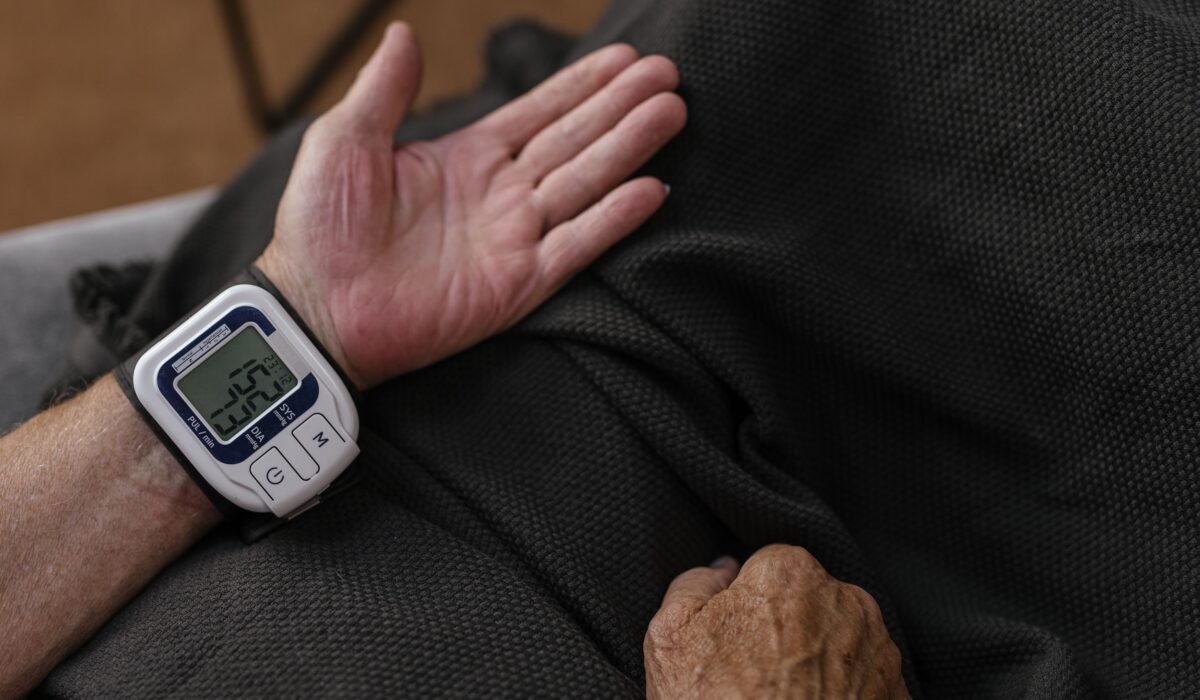
* Remote Patient Monitoring (RPM) Systems: These systems allow healthcare providers to monitor vital signs, glucose levels, and heart rhythms from a distance. Devices like TytoCare enable remote examinations, including lung and ear checks, directly from a senior’s home.
* AI-Powered Companions and Assistants: Beyond basic voice commands, AI systems now offer personalized reminders, conversational interaction, and even emotional support. Amazon Alexa and Google Nest devices are increasingly integrated with health-focused skills and routines for seniors.
* Smart Home Solutions: Smart home for seniors 2026 systems incorporate motion sensors, smart lighting, and automated locks to enhance safety and convenience. These systems can detect unusual activity, such as a fall, and automatically alert caregivers.
* Wearable Health Trackers: Devices like the Apple Watch offer continuous monitoring of heart rate, activity levels, and sleep patterns, providing valuable data for proactive health management. Many wearables include fall detection capabilities, a critical safety feature for elderly individuals.
How Can AI Help Seniors Receive Home Care in 2026?
AI in elder care 2026 significantly enhances home care by providing personalized assistance, predictive health insights, and continuous safety monitoring, augmenting human care rather than replacing it. AI-driven platforms can analyze patterns in a senior’s daily routines and health data to flag potential issues before they become critical, offering a new layer of proactive support, according to an industry report on AI for senior care at home (2026).
From experience, AI excels at tasks requiring constant vigilance and data processing, which are often overwhelming for human caregivers alone. This allows human caregivers to focus on emotional support and complex care needs. The integration of AI for senior care at home is a major component of 2026 Elder Care Technology.
Here are specific ways AI is transforming senior home care:
* Predictive Analytics: AI algorithms analyze data from wearables and smart home sensors to identify subtle changes in behavior or health metrics that might indicate an impending health issue, such as a urinary tract infection or increased fall risk. This allows for timely intervention.
* Personalized Reminders and Schedules: AI assistants provide medication reminders, appointment alerts, and prompts for daily activities, tailored to an individual’s specific needs and preferences. This level of customization