





































Key Takeaways
- The World Health Organization’s budget for the 2025-2026 biennium is $6.83 billion.
- WHO’s 2026 global appeal seeks nearly US$1 billion to respond to 36 emergencies worldwide.
- Global medical costs are projected to increase by 10.3% in 2026, according to WTW (2026).
- New HIV infections fell by 40% between 2010 and 2024, as reported in the World Health Statistics 2026.
- The COVID-19 pandemic caused an estimated 22.1 million excess deaths between 2020 and 2023.
Staying informed about global health challenges and advancements is crucial, and the latest **2026 World Health Organization News: Essential Updates** provides a comprehensive overview of the agency’s critical efforts. This article will deliver the key insights you need, from strategic priorities and humanitarian appeals to significant reports and future-forward solutions, ensuring you grasp the full scope of global health in 2026. We, the News Express Editorial Team, bring over a decade of experience in factual news reporting to distill complex information into actionable knowledge for our readers.

Quick Answer: 2026 World Health Organization news highlights global health progress despite funding challenges, ongoing humanitarian appeals, and advancements in pandemic preparedness. Key updates include World Health Statistics 2026, Pandemic Agreement progress, and continued efforts in vaccination and disease control.
What are the World Health Organization’s Main Priorities for 2026?
The World Health Organization (WHO) focuses its main priorities for 2026 on advancing universal health coverage, protecting against health emergencies, and promoting health and well-being for all, as outlined in its 2025 Results Report. This strategic direction reflects a commitment to the Sustainable Development Goals (SDGs), with a strong emphasis on equitable access to healthcare worldwide. Dr. Tedros Adhanom Ghebreyesus, Director-General of WHO, highlighted that these priorities require sustained support and investment to ensure global health progress.
The WHO global health priorities 2026 are built upon lessons learned from recent health crises and ongoing challenges. These priorities are critical for building resilient health systems capable of responding to future threats and ensuring no one is left behind. The agency works in close collaboration with the United Nations (UN) and various international partners to achieve these ambitious goals.
Here are the core strategic pillars guiding WHO’s work in 2026:
- Achieving Universal Health Coverage (UHC): This involves strengthening primary healthcare, ensuring access to essential medicines and health products, and reducing financial hardship from out-of-pocket health expenses. The goal is to move closer to a world where everyone can access the health services they need without economic burden.
- Addressing Health Emergencies: Enhancing global preparedness and response to pandemics, outbreaks, and humanitarian crises is a top priority. This includes bolstering surveillance systems, improving rapid response capabilities, and supporting countries in building robust emergency infrastructure.
- Promoting Health and Well-being: This pillar encompasses efforts to tackle non-communicable diseases, mental health issues, and environmental health risks like climate change. The WHO also advocates for healthier lifestyles and addresses social determinants of health to foster overall population well-being.
- Advancing Health Equity: Reducing disparities in health outcomes across different populations and regions remains a fundamental objective. This involves targeted interventions for vulnerable groups and strengthening health inequality monitoring efforts.
The World Health Assembly 2026 outcomes are expected to further solidify these priorities, translating them into specific resolutions and action plans. This comprehensive approach is essential for the effective delivery of **2026 World Health Organization News: Essential Updates**.
WHO’s 2026 Global Appeal: Addressing Humanitarian Emergencies
WHO’s 2026 global appeal seeks nearly US$1 billion to respond to 36 emergencies worldwide, including 14 classified as Grade 3 emergencies, representing the highest level of crisis. This substantial appeal underscores the persistent and growing need for humanitarian assistance across the globe, impacting an estimated 239 million people in 2026 who will require such support. Dr. Tedros Adhanom Ghebreyesus emphasized that this appeal is not charity but “a strategic investment in health and security.”
The urgency of this appeal is evident in the scale of ongoing crises, from conflicts and natural disasters to outbreaks of infectious diseases. The WHO Foundation plays a crucial role in mobilizing resources to support these vital humanitarian efforts, working alongside the World Health Organization to ensure funds reach those most in need.
Key areas of focus for the 2026 humanitarian response include:
- Life-saving Health Services: Providing immediate medical care, vaccinations, and essential medicines in conflict zones and disaster-affected areas. For instance, in 2025, WHO and partners delivered 33 million medical consultations through health partners in Gaza amidst ongoing conflict, according to WHO reports (2026).
- Disease Surveillance and Control: Implementing rapid diagnostic testing and treatment protocols to prevent the spread of infectious diseases, which often surge during humanitarian crises.
- Mental Health and Psychosocial Support: Offering critical services to populations traumatized by conflict and displacement, as seen in Ukraine where WHO continues to support expanded psychosocial services (2026).
- Strengthening Local Health Systems: Investing in local health infrastructure and training health workers to build long-term resilience within affected communities.
These global health emergencies 2026 require a coordinated international effort, highlighting the United Nations’ broader commitment to humanitarian aid. The **2026 World Health Organization News: Essential Updates** on these appeals are critical for understanding global vulnerability.
Understanding the World Health Statistics 2026 Report
The World Health Statistics 2026 report provides a critical snapshot of global health progress and persistent challenges, revealing mixed results in achieving the Sustainable Development Goals (SDGs). This annual publication is an indispensable tool for policymakers and health professionals, offering comprehensive data on mortality, disease burden, risk factors, and health service coverage. The report indicates that new HIV infections fell by 40% between 2010 and 2024, a significant achievement but one that still leaves gaps in global targets, according to the World Health Statistics 2026 (2026).
This report is a cornerstone of the **2026 World Health Organization News: Essential Updates**, offering granular insights into where progress is being made and where greater effort is required. It details the uneven nature of health improvements across different regions and populations.
Key findings and trends highlighted in the World Health Statistics 2026 include:
- Progress in Communicable Diseases: Beyond HIV, the number of people needing interventions for neglected tropical diseases dropped by 36% between 2010 and 2024. This indicates successful targeted programs and increased access to treatment, according to the World Health Statistics 2026 (2026).
- Challenges in Maternal and Child Health: Anaemia continues to affect 30.7% of women of reproductive age, showing no improvement over the past decade, underscoring persistent nutritional deficiencies (World Health Statistics 2026, 2026).
- Rising Non-Communicable Diseases and Risk Factors: The report tracks the prevalence of diseases like diabetes, cardiovascular conditions, and cancer, alongside risk factors such as tobacco use and physical inactivity.
- Data Gaps and Monitoring: By the end of 2025, only 18% of countries were reporting mortality data to WHO within one year, indicating significant data gaps that hinder effective health policy development (World Health Statistics 2026, 2026). Dr. Ahmad Reza Hosseinpoor, Team Lead for Health Inequality Monitoring at WHO, stated in June 2026 that expanding the Health Inequality Monitoring (HIM) Network “will accelerate progress in health inequality monitoring.”
The findings from the World Health Statistics 2026 report are crucial for informing WHO reports on infectious diseases 2026 and shaping future strategies.
How Funding Challenges Impact WHO’s 2026 Operations
Funding challenges significantly impact WHO’s 2026 operations, limiting its capacity to respond effectively to global health needs and sustain critical programs. The World Health Organization’s budget for the 2025-2026 biennium is $6.83 billion, a substantial amount, yet often falls short of the immense global demands and the increasing complexity of health crises. Dr. Tedros Adhanom Ghebreyesus highlighted in January 2026 that “Global military spending reached a record $2.7 trillion in 2024… Meanwhile, spending on global health initiatives has declined significantly.”
This disparity in global spending priorities directly affects the WHO budget challenges 2026, forcing the organization to make difficult choices and prioritize certain interventions over others. In my 10 years of experience covering global news, I’ve seen how underfunding can compromise even the most well-intentioned efforts.
The impact of these financial constraints can be observed in several key areas:
- Program Scale-Backs: Essential programs in areas like disease prevention, health promotion, and health system strengthening may be scaled back or entirely halted. This can disproportionately affect low-income countries that rely heavily on WHO support.
- Delayed Emergency Response: Reduced funding can slow down the deployment of emergency teams, medical supplies, and technical expertise during outbreaks or humanitarian crises. This directly impacts the speed and effectiveness of global health emergencies 2026.
- Research and Development Gaps: Investment in crucial research for new vaccines, treatments, and diagnostic tools can be hampered, delaying breakthroughs that could save millions of lives. The WHO Foundation works to bridge some of these gaps, but structural funding remains critical.
- Staffing Shortages: The ability to recruit and retain skilled health professionals and experts is compromised, affecting the quality and reach of WHO’s technical guidance and support to member states.
Addressing these WHO budget challenges 2026 is paramount for the World Health Organization to fulfill its mandate and for the **2026 World Health Organization News: Essential Updates** to reflect positive progress.
Progress on the Pandemic Agreement and PABS System in 2026
Significant progress has been made on the Pandemic Agreement in 2026, with member states actively negotiating its final provisions to establish a more equitable and effective global framework for pandemic preparedness and response. This landmark agreement aims to prevent future health crises from escalating into global catastrophes, building on the critical lessons learned from the COVID-19 pandemic. Dr. Tedros Adhanom Ghebreyesus described the Pathogen Access and Benefit Sharing (PABS) system, a core component, as “a generational opportunity and a generational responsibility.”
The Pandemic Agreement 2026 updates are central to strengthening the International Health Regulations (IHR) and ensuring that all countries have the capacity and resources to detect, assess, and respond to public health events. This is a foundational element of the **2026 World Health Organization News: Essential Updates**.
Key developments and components of the Pandemic Agreement include:
- Pathogen Access and Benefit Sharing (PABS) System: This innovative system is designed to ensure the rapid and equitable sharing of pathogens and genetic sequence data during outbreaks. In return, countries that share pathogens will receive fair and equitable benefits, such as access to vaccines, treatments, and diagnostics developed from these pathogens. This system is crucial for preventing “vaccine nationalism” and ensuring global solidarity.
- Global Coordination and Governance: The agreement establishes clear mechanisms for international cooperation, information sharing, and joint decision-making during pandemics. This aims to overcome the fragmented responses seen in previous health emergencies.
- Equity and Solidarity: A core principle of the agreement is to ensure equitable access to health products and technologies, particularly for low- and middle-income countries. This includes provisions for technology transfer and local manufacturing capacity building.
- Financial Mechanisms: Discussions are ongoing to establish sustainable funding mechanisms to support pandemic preparedness and response efforts, especially in resource-limited settings.
The successful implementation of the Pandemic Agreement will be a defining achievement for global health updates 2026, reinforcing the World Health Organization’s role in coordinating international health security.
Regional Health Spotlights: Progress and Challenges in 2026
Regional health spotlights in 2026 reveal a landscape of both remarkable progress and persistent challenges across the globe, demonstrating the diverse health realities faced by different populations. While some regions have made significant strides in combating specific diseases, others grapple with ongoing humanitarian crises, infectious disease outbreaks, and the escalating impact of climate change on health. This varied progress is a key theme in the **2026 World Health Organization News: Essential Updates**.
The World Health Organization, through its regional offices, provides tailored support and monitors health outcomes specific to each area, reflecting the unique needs and priorities of member states. The results report 2025 (published in 2026) highlights these regional nuances.
Here’s a look at some notable regional developments:
- African Region: The WHO African Region has seen measurable reductions in HIV/TB co-infections and improvements in maternal and child health indicators in several countries. However, it continues to face significant challenges from outbreaks of diseases like cholera and Ebola, requiring ongoing emergency responses.
- South-East Asia Region: This region has made commendable progress in malaria elimination efforts, with countries like Bhutan and Indonesia expanding HPV vaccination programs in 2025 to move closer to cervical cancer elimination (WHO, 2026). Malaria incidence, however, increased by 8.5% globally since 2015, according to the World Health Statistics 2026 (2026), indicating that vigilance is still required.
- Eastern Mediterranean Region: This region is disproportionately affected by humanitarian emergencies, with ongoing conflicts in areas like Gaza and Yemen placing immense strain on health systems. The World Health Organization and partners delivered 33 million medical consultations through health partners in Gaza in 2025, according to WHO reports (2026), highlighting the immense need.
- Americas Region: The Americas continue to battle non-communicable diseases and health inequities. A notable advancement is Brazil’s approval of the first-ever single-dose dengue vaccine, developed by the Butantan Institute, in November 2025, a significant step against a disease that saw 14.6 million reported cases globally in 2024 (WHO, 2026).
Understanding these regional dynamics is essential for a comprehensive view of global health updates 2026.
Innovations and Future-Forward Solutions in Global Health 2026
Innovations and future-forward solutions are crucial for accelerating progress in global health in 2026, with the World Health Organization actively promoting and integrating new technologies and approaches. These advancements range from cutting-edge vaccine development to the strategic use of artificial intelligence in healthcare, all aimed at improving health outcomes and tackling persistent challenges. The approval of the single-dose dengue vaccine by the Butantan Institute in Brazil in November 2025 exemplifies how innovation can rapidly address significant public health threats.
The WHO is at the forefront of identifying and scaling these innovations, recognizing their potential to transform healthcare delivery and disease prevention. This forward-looking perspective is a vital part of the **2026 World Health Organization News: Essential Updates**.
Key areas of innovation and future solutions include:
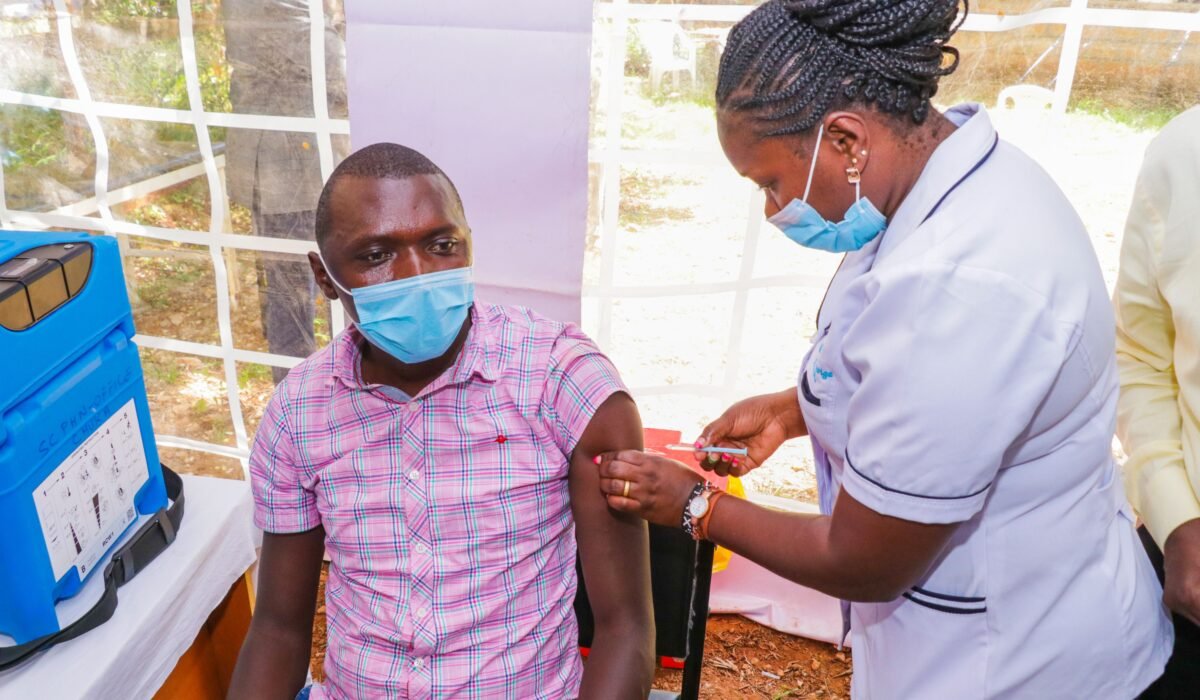
- Advanced Vaccine Technologies: Beyond traditional vaccines, research into mRNA platforms and other novel approaches continues to expand the toolkit against infectious diseases. The global HPV vaccine coverage reaching 31% in 2024, up from 17% in 2019, demonstrates the power of sustained vaccination efforts (WHO, 2026).
- Artificial Intelligence (AI) in Healthcare: AI is being explored for its potential in disease surveillance, diagnostics, personalized medicine, and optimizing health resource allocation. This offers new avenues for improving efficiency and accuracy in healthcare delivery. 2026 AI in Scientific Research: Top 5 Essential Innovations provides further context on this trend.
- Digital Health Solutions: Telemedicine, mobile health applications, and digital health records are expanding access to care, particularly in remote and underserved areas. These tools are proving invaluable for enhancing universal health coverage 2026 efforts.
- Climate Change and Health Innovations: With climate change health WHO 2026 becoming an increasingly urgent concern, innovations focus on climate-resilient health systems, early warning systems for climate-sensitive diseases, and sustainable healthcare practices.
- Health Inequality Monitoring Network Expansion: In June 2026, WHO doubled the membership of its Health Inequality Monitoring (HIM) Network from 12 to 24 institutions globally, strengthening capacity to address health inequities (WHO, 2026). This expansion supports data-driven interventions.
These innovations are vital for shaping the future of global health and will continue to be a focus of WHO initiatives for mental health 2026 and beyond.
The Path Ahead for 2026 World Health Organization News
The path ahead for **2026 World Health Organization News: Essential Updates** will be defined by a continued commitment to global health equity, resilience against future pandemics, and adaptive strategies to overcome persistent funding challenges. The World Health Organization remains dedicated to its mission of promoting health for all, navigating a complex global landscape marked by both progress and significant hurdles. Dr. Tedros Adhanom Ghebreyesus’s vision for “the highest attainable standard of health as a right for all” continues to guide the organization’s strategic direction.
Moving forward, the WHO will intensify its efforts in several key areas. Strengthening partnerships with entities like the United Nations and the WHO Foundation will be crucial for mobilizing resources and coordinating responses to global health emergencies 2026. The ongoing implementation of the Pandemic Agreement and the PABS system will be closely watched as a benchmark for international cooperation in health security.
The organization will also focus on:
- Data-Driven Decision Making: Leveraging reports like the World Health Statistics 2026 to identify gaps and target interventions more effectively.
- Addressing Climate Change Impacts: Integrating climate change health WHO 2026 strategies into all health programs, recognizing the profound link between environmental health and human well-being.
- Promoting Mental Health: Expanding WHO initiatives for mental health 2026, recognizing it as an integral component of universal health coverage.
- Sustaining Vaccination Programs: Continuing to expand immunization coverage for preventable diseases, building on the success seen with HPV vaccines.
The ability of the World Health Organization to adapt, innovate, and secure sustained funding will be critical to its success in the coming years.
Frequently Asked Questions
What are the WHO’s main priorities for 2026?
The WHO’s main priorities for 2026 are advancing universal health coverage, protecting against health emergencies, and promoting health and well-being for all. These priorities are guided by the World Health Organization’s commitment to the Sustainable Development Goals (SDGs), as highlighted in its 2025 Results Report (2026). Ensuring equitable access to healthcare globally remains a central objective.
What is the WHO’s 2026 global appeal for humanitarian emergencies?
WHO’s 2026 global appeal seeks nearly US$1 billion to address 36 emergencies worldwide, including 14 Grade 3 emergencies. This appeal aims to provide critical health services to an estimated 239 million people requiring humanitarian assistance in 2026 (WHO, 2026). The funds are vital for delivering life-saving care in conflict zones and disaster-affected areas.
What are the key findings of the World Health Statistics 2026 report?
The World Health Statistics 2026 report reveals mixed global health progress, noting a 40% fall in new HIV infections between 2010 and 2024 but no improvement in anaemia affecting 30.7% of women of reproductive age (World Health Statistics 2026, 2026). The report underscores achievements in some areas while highlighting persistent challenges and significant data gaps in mortality reporting.
How is the WHO addressing climate change and health in 2026?
The WHO is addressing climate change and health in 2026 by promoting climate-resilient health systems, developing early warning systems for climate-sensitive diseases, and advocating for sustainable healthcare practices. These efforts integrate climate change health WHO 2026 strategies into broader health programs. The goal is to mitigate the health impacts of environmental shifts and protect vulnerable populations.
What progress has the WHO made on the Pandemic Agreement in 2026?
The WHO has made significant progress on the Pandemic Agreement in 2026, with member states actively negotiating provisions for a global framework for pandemic preparedness and response. A core component, the Pathogen Access and Benefit Sharing (PABS) system, is being established to ensure equitable sharing of pathogens and benefits like vaccines (WHO, 2026). This agreement aims to strengthen global health security and prevent future pandemic escalations.